
Embracing Islamic Teachings: A Journey Through Knowledge and Mercy
 Tafsir Scholar
Explains Qur’anic meaning through classical exegesis, revealing deep spiritual and contextual insights for modern understanding.
Tafsir Scholar
Explains Qur’anic meaning through classical exegesis, revealing deep spiritual and contextual insights for modern understanding.
Introduction
In the ever-evolving landscape of modern society, the teachings of Islam continue to offer profound insights into knowledge, worship, character, community, and mercy. As seekers of truth, we are invited to engage with these teachings, understanding their layered wisdom and relevance to our lives today. This article aims to explore these essential themes while respecting the diversity within the Islamic tradition.
The Pursuit of Knowledge
Knowledge holds a revered position in Islam, often described as a light that guides the believer through the complexities of life. The Prophet Muhammad (peace be upon him) is reported to have said, “Seeking knowledge is an obligation upon every Muslim.” This pursuit is not merely academic; it extends to understanding the world around us, our role within it, and our relationship with the Divine.
Types of Knowledge
- Religious Knowledge: This includes the study of the Qur’an, Hadith, and jurisprudence. Engaging with these texts deepens our understanding of faith and practice.
- Worldly Knowledge: This encompasses sciences, arts, and humanities. Islam encourages the exploration of various fields to benefit society and fulfill our roles as stewards of the earth.
- Self-Knowledge: Understanding oneself is crucial in developing character and spiritual growth. Self-reflection allows us to align our actions with our values.
Reflection Questions
- What steps can you take to further your pursuit of knowledge in both religious and worldly contexts?
- How can self-knowledge enhance your spiritual journey?
The Essence of Worship
Worship in Islam transcends ritual acts; it embodies a holistic approach to life. The five pillars of Islam structure our worship, creating a foundation for our relationship with Allah and the community. Each act of worship is an opportunity to express gratitude, seek guidance, and foster a sense of belonging.
Elements of Worship
- Salah (Prayer): The daily prayers serve as a direct link to Allah, providing moments of reflection and connection throughout the day.
- Zakat (Charity): This act of giving fosters community welfare and reminds us of our responsibilities towards others.
- Sawm (Fasting): Fasting during Ramadan teaches self-discipline, empathy for the less fortunate, and spiritual purification.
- Hajj (Pilgrimage): The pilgrimage to Mecca symbolizes unity and equality among Muslims, transcending cultural and national boundaries.
- Shahada (Faith Declaration): The declaration of faith is a profound testament to one’s belief and commitment to the principles of Islam.
Reflection Questions
- In what ways can you deepen your connection to Allah through worship?
- How can communal worship enhance your experience of faith?
The Role of Mercy in Islam
Mercy is a fundamental attribute of Allah, as emphasized throughout the Qur’an. The concept of mercy invites us to embody compassion in our interactions with others, fostering an environment of understanding and acceptance.
The Divine Attribute of Mercy
Allah is described as “Ar-Rahman” (The Most Merciful) and “Ar-Rahim” (The Most Compassionate). These attributes remind us that mercy should permeate our character and actions. The Qur’an encourages believers to be merciful, stating that those who show mercy will also receive mercy.
Practicing Mercy in Daily Life
- Forgiveness: Letting go of grudges and forgiving others fosters harmony and peace within communities.
- Compassion: Acts of kindness, no matter how small, can significantly impact those around us.
- Understanding Differences: Embracing diversity and respecting different perspectives strengthens communal bonds.
Reflection Questions
- How can you practice mercy in your daily interactions?
- In what ways can you encourage a culture of compassion within your community?
Character Development in Islam
The development of character is a central theme in Islamic teachings. The Prophet Muhammad (peace be upon him) is seen as the epitome of moral conduct, and his life serves as a guide for believers. Good character encompasses honesty, humility, patience, and integrity, forming the essence of a righteous individual.
The Importance of Good Character
Islam places great emphasis on the inner qualities that define a person. The Prophet stated, “The best of you are those who have the best character.” This highlights that character is not only about personal conduct but also about how we relate to others.
Ways to Cultivate Good Character
- Self-Reflection: Regularly assess your actions and intentions, striving to align them with Islamic values.
- Seeking Knowledge: Understanding Islamic teachings can guide character development and ethical decision-making.
- Surrounding Yourself with Good Company: Engaging with individuals who embody good character can inspire personal growth.
Reflection Questions
- What qualities do you admire in others, and how can you cultivate them in yourself?
- How can you contribute positively to your community through your character?
The Importance of Community in Islam
The concept of community is deeply rooted in Islamic teachings. It is through our interactions with others that we express our faith and embody the principles of mercy, knowledge, and good character. Building a strong community fosters support, unity, and collective growth.
Building a Strong Community
- Encouraging Inclusivity: Welcoming diverse backgrounds and perspectives strengthens the community fabric.
- Engaging in Service: Volunteering time and resources for the welfare of the community reflects the Islamic principle of charity.
- Promoting Dialogue: Open discussions about faith and experiences can enhance understanding and build connections.
Reflection Questions
- What role do you play in your community, and how can you enhance it?
- How can you encourage unity and cooperation among community members?
Respectful Scholarly Perspectives
Islamic scholarship is rich and diverse, with various interpretations and schools of thought. Respecting these differences is crucial for fostering a harmonious intellectual environment. Engaging with different perspectives enriches our understanding of the faith and encourages a spirit of inquiry.
The Value of Diverse Opinions
Scholarly discourse within Islam has historically been characterized by a commitment to understanding and reasoning. Engaging with different interpretations can provide new insights and help us appreciate the depth of our tradition.
Encouraging Consultation
When seeking personal or binding decisions, it is essential to consult knowledgeable local religious leaders. They can provide guidance tailored to individual circumstances, ensuring that one’s practice aligns with Islamic principles.
Conclusion
In navigating the complexities of modern life, the teachings of Islam offer a pathway enriched with knowledge, mercy, character, and community. By engaging with these principles, we can cultivate a life that reflects the core values of our faith while respecting the diverse interpretations within the tradition. As we strive for personal and collective growth, let us remain committed to fostering understanding, compassion, and respect in all our interactions.
Continue with Tafsir Scholar
 Exploring the Layers of Islamic Teachings and Community Values
The Essence of Islamic Teachings Islam, at its core, is a comprehensive way of life that encompasses various…
Exploring the Depths of Islamic Teachings: A Guide to Knowledge and Mercy
Introduction In the vast ocean of Islamic teachings, seekers of knowledge often find themselves navigating through a myriad…
Exploring the Layers of Islamic Teachings and Community Values
The Essence of Islamic Teachings Islam, at its core, is a comprehensive way of life that encompasses various…
Exploring the Depths of Islamic Teachings: A Guide to Knowledge and Mercy
Introduction In the vast ocean of Islamic teachings, seekers of knowledge often find themselves navigating through a myriad…
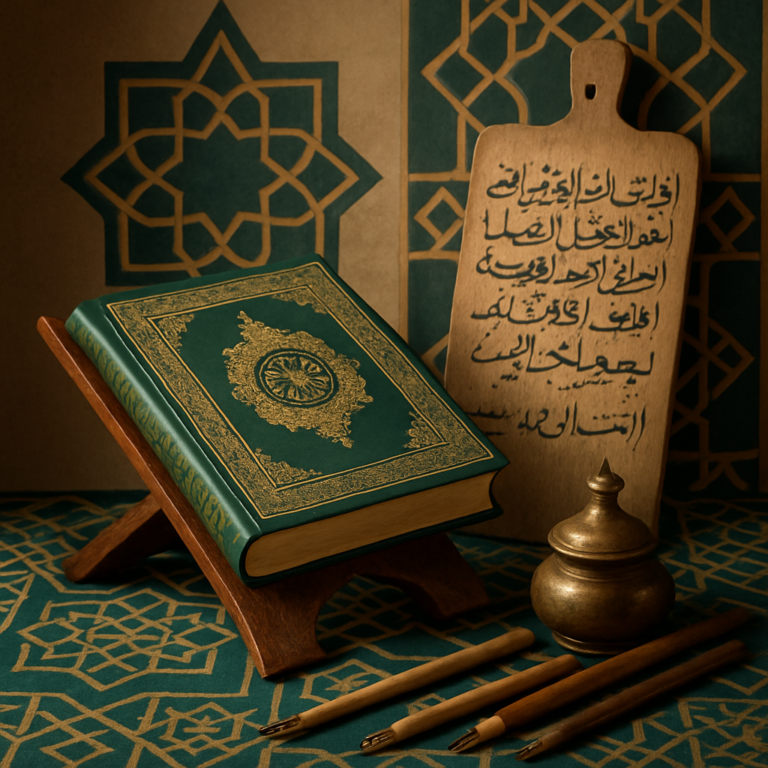 Understanding Islamic Teachings: A Journey Through Knowledge and Mercy
Introduction: The Essence of Islamic Teachings In the vast tapestry of Islamic teachings, we find a profound emphasis…
Understanding Islamic Teachings: A Journey Through Knowledge and Mercy
Introduction: The Essence of Islamic Teachings In the vast tapestry of Islamic teachings, we find a profound emphasis…
 Embracing Islamic Teachings: A Journey of Knowledge and Mercy
Introduction In the beautiful tapestry of Islam, we find a rich tradition that emphasizes knowledge, worship, mercy, and…
Embracing Islamic Teachings: A Journey of Knowledge and Mercy
Introduction In the beautiful tapestry of Islam, we find a rich tradition that emphasizes knowledge, worship, mercy, and…
 Embracing Islamic Teachings: A Journey of Knowledge and Community
Introduction to Islamic Teachings In the vast and rich tapestry of Islamic teachings, we find a profound emphasis…
Embracing Islamic Teachings: A Journey of Knowledge and Community
Introduction to Islamic Teachings In the vast and rich tapestry of Islamic teachings, we find a profound emphasis…
 Embracing Islamic Teachings: A Journey of Knowledge and Mercy
Introduction In the rich tapestry of Islamic tradition, the teachings of the Qur’an and the Ahl al-Bayt provide…
Embracing Islamic Teachings: A Journey of Knowledge and Mercy
Introduction In the rich tapestry of Islamic tradition, the teachings of the Qur’an and the Ahl al-Bayt provide…