
Embracing Knowledge and Mercy in Islamic Life
 Imam Al-Ghazali
Bridges reason and spirituality with guidance rooted in Islamic theology, ethics, and inner purification through Sufi tradition.
Imam Al-Ghazali
Bridges reason and spirituality with guidance rooted in Islamic theology, ethics, and inner purification through Sufi tradition.
Introduction: The Path of Knowledge and Worship
In our journey through life, we find ourselves navigating a landscape rich with teachings, wisdom, and the essence of faith. As seekers of truth, we are often reminded of the profound connection between knowledge, worship, and the character we embody. This article aims to explore the fundamental principles of Islamic teachings, emphasizing the importance of knowledge, mercy, and community while respecting the diversity of thought within our tradition.
The Essence of Knowledge
Knowledge in Islam is not merely the accumulation of facts; it is a divine gift that guides us toward understanding ourselves and our Creator. As the Prophet Muhammad (peace be upon him) stated, “Seeking knowledge is an obligation upon every Muslim.” This pursuit is a journey, not a destination, and it encompasses both the religious sciences and the knowledge of the world around us.
Types of Knowledge
- Religious Knowledge: This includes the study of the Qur’an, Hadith, and Islamic jurisprudence. It is essential for understanding our duties to Allah and to one another.
- Worldly Knowledge: Knowledge of the sciences, arts, and humanities also holds significance. It enriches our understanding of the universe and aids in the betterment of society.
Practical Reflection Questions:
- What areas of knowledge do you feel drawn to explore further, and why?
- How can you integrate what you learn into your daily life and worship?
The Role of Worship
Worship is the heart of our relationship with Allah. It is through acts of devotion that we cultivate a sense of humility and gratitude. The five pillars of Islam—Shahada (faith), Salah (prayer), Zakat (charity), Sawm (fasting), and Hajj (pilgrimage)—serve as foundational practices that structure our worship and reinforce our connection to the divine.
The Spiritual Dimensions of Worship
While the acts of worship are essential, the spiritual dimensions must not be overlooked. Worship should be an expression of our love for Allah, a means to attain tranquility and peace. It is in these moments of sincere devotion that we often find clarity and purpose.
Practical Reflection Questions:
- How can you deepen your intention and focus during your acts of worship?
- What role does worship play in your daily life, and how can you enhance that experience?
The Nature of Mercy
Mercy is a defining attribute of Allah and a core principle of Islam. The Qur’an frequently reminds us of Allah’s boundless mercy, urging us to embody this quality in our interactions with others. The Prophet Muhammad (peace be upon him) exemplified mercy in his character, treating all with compassion and kindness.
The Importance of Mercy in Character Building
As we strive to cultivate our character, it is vital to recognize that mercy should guide our actions and interactions. Whether in our families, communities, or workplaces, displaying mercy fosters an environment of trust and respect. This, in turn, strengthens our bonds and encourages a sense of belonging.
Practical Reflection Questions:
- In what ways can you demonstrate mercy in your daily interactions?
- How can you cultivate a more compassionate attitude towards those around you?
The Significance of Character
The Prophet Muhammad (peace be upon him) was described as a “walking Qur’an,” exemplifying the highest standards of character. In Islam, good character is not just an ideal; it is a necessity for a harmonious society. Our actions, words, and intentions should align with the ethical and moral teachings of our faith.
Building Good Character
- Integrity: Upholding honesty and transparency in all dealings.
- Respect: Valuing the dignity of every individual, regardless of their background.
- Humility: Recognizing our limitations and being open to learning from others.
Practical Reflection Questions:
- Which qualities of good character do you believe you can improve upon?
- How does your character influence your relationships with others?
Community: A Source of Strength
The importance of community in Islam cannot be overstated. We are encouraged to come together, support one another, and engage in collective worship and service. The sense of belonging that arises from a supportive community can provide immense strength and comfort in times of difficulty.
Fostering a Healthy Community
Building a vibrant community involves active participation, mutual respect, and understanding. Each member plays a crucial role in enhancing the communal fabric. This is particularly important in a world where divisions and misunderstandings can easily arise.
Practical Reflection Questions:
- What steps can you take to contribute positively to your community?
- How can you support those in your community who may be struggling?
Respecting Differences Within the Tradition
Islam is a diverse faith, encompassing a multitude of interpretations and practices. It is vital to approach our differences with respect and understanding. Each school of thought offers unique insights that can enrich our understanding of the faith.
Embracing Diversity
While we may not always agree, it is our duty to engage in respectful dialogue and seek common ground. This spirit of openness not only strengthens our own faith but also fosters unity within the broader Muslim community.
Practical Reflection Questions:
- How can you cultivate an attitude of respect towards differing opinions within the Islamic tradition?
- What can you learn from those whose perspectives differ from your own?
Conclusion: A Lifelong Journey
In conclusion, the teachings of Islam guide us on a lifelong journey of knowledge, worship, mercy, and character development. These principles form the foundation of a compassionate and just society. As we navigate our individual paths, let us remain committed to seeking knowledge, embodying mercy, and fostering community. May Allah guide us all in our efforts to live a life that reflects the beauty of our faith.
Continue with Imam Al-Ghazali
 Embracing Knowledge and Mercy in Islamic Teachings
The Essence of Knowledge in Islam As we navigate through the vast ocean of Islamic teachings, it is…
Embracing Knowledge and Mercy in Islamic Teachings
The Essence of Knowledge in Islam As we navigate through the vast ocean of Islamic teachings, it is…
 Cultivating Knowledge and Compassion in Islamic Life
The Essence of Islamic Teachings In the journey of life, dear seekers of truth, we find ourselves often…
Embracing Knowledge and Mercy in Islamic Life
Introduction In the journey of life, knowledge and worship serve as twin pillars that uphold our faith and…
Cultivating Knowledge and Compassion in Islamic Life
The Essence of Islamic Teachings In the journey of life, dear seekers of truth, we find ourselves often…
Embracing Knowledge and Mercy in Islamic Life
Introduction In the journey of life, knowledge and worship serve as twin pillars that uphold our faith and…
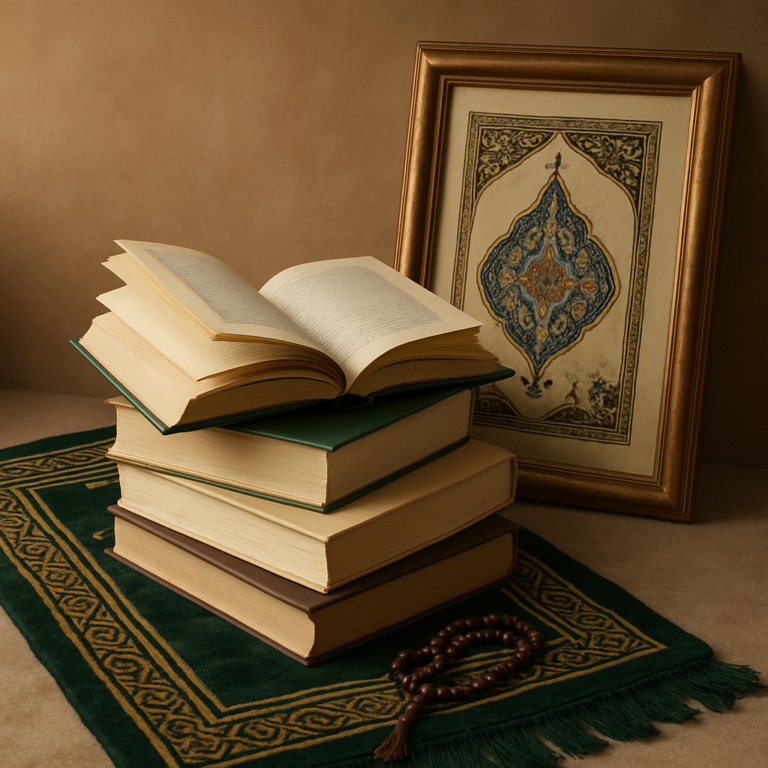 Embracing Islamic Teachings: A Journey of Knowledge and Mercy
Introduction In the beautiful tapestry of Islam, we find a rich tradition that emphasizes knowledge, worship, mercy, and…
Embracing Islamic Teachings: A Journey of Knowledge and Mercy
Introduction In the beautiful tapestry of Islam, we find a rich tradition that emphasizes knowledge, worship, mercy, and…
 Embracing Islamic Teachings: A Journey of Knowledge and Community
Introduction to Islamic Teachings In the vast and rich tapestry of Islamic teachings, we find a profound emphasis…
Embracing Islamic Teachings: A Journey of Knowledge and Community
Introduction to Islamic Teachings In the vast and rich tapestry of Islamic teachings, we find a profound emphasis…
 Embracing Islamic Teachings: A Journey of Knowledge and Mercy
Introduction In the rich tapestry of Islamic tradition, the teachings of the Qur’an and the Ahl al-Bayt provide…
Embracing Islamic Teachings: A Journey of Knowledge and Mercy
Introduction In the rich tapestry of Islamic tradition, the teachings of the Qur’an and the Ahl al-Bayt provide…