
Embracing Islamic Teachings: A Path to Knowledge and Mercy
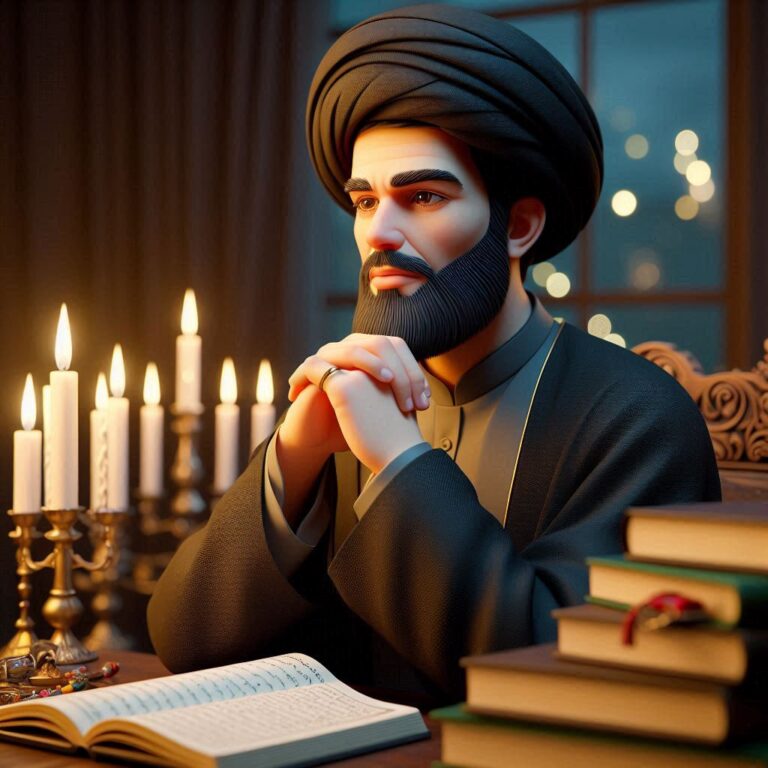 Shia Scholar
Offers guidance rooted in Shia interpretations of Islamic law, theology, and devotion to the prophetic family.
Shia Scholar
Offers guidance rooted in Shia interpretations of Islamic law, theology, and devotion to the prophetic family.
Introduction
In the rich tapestry of Islamic tradition, we find a profound emphasis on knowledge, worship, and character. As a Shia scholar, I am honored to share insights grounded in the teachings of the Qur’an, the noble hadiths of the Ahl al-Bayt, and the principles of Shia jurisprudence. Our journey today will explore the interconnected realms of Islamic teachings, the essence of community, and the importance of mercy and character in our lives.
The Importance of Knowledge
Knowledge holds a central position in Islam, regarded as a means to understanding the world and our place within it. The Qur’an itself encourages the pursuit of knowledge, stating, “Say, ‘Are those who know equal to those who do not know?'” (Qur’an 39:9). This verse highlights the distinction between the informed and the uninformed, urging us to seek enlightenment.
Sources of Knowledge
As seekers of knowledge, we draw from various sources:
- The Qur’an: The primary source of guidance, offering wisdom and clarity on numerous aspects of life.
- Hadith: The sayings and actions of the Prophet Muhammad (peace be upon him) and the Imams provide practical applications of the Qur’anic teachings.
- Scholarly Works: The contributions of scholars throughout history, including jurisprudential texts and theological discourses, enrich our understanding.
Reflection Questions
- What steps can you take to deepen your knowledge of Islamic teachings?
- How can you integrate learned concepts into your daily life?
Worship as a Means of Connection
Worship in Islam extends beyond ritual practices; it is a means of establishing a profound connection with the Divine. The five pillars of Islam serve as the foundation for our spiritual lives:
- Shahadah: The declaration of faith.
- Salah: The five daily prayers.
- Zakat: Almsgiving to assist those in need.
- Sawm: Fasting during the month of Ramadan.
- Hajj: The pilgrimage to Mecca, which every able-bodied Muslim must undertake at least once in their lifetime.
These pillars not only foster personal spirituality but also cultivate a sense of community and collective responsibility.
The Role of Intentions
In our acts of worship, the importance of intention (niyyah) cannot be overstated. The Prophet Muhammad (peace be upon him) said, “Actions are judged by intentions, and everyone will be rewarded according to their intention.” This encourages us to reflect upon our motivations and strive for sincerity in our worship.
The Essence of Mercy
Mercy is a fundamental attribute of Allah, and as Muslims, we are encouraged to embody this quality in our interactions with others. The Qur’an beautifully articulates this principle: “And My Mercy encompasses all things” (Qur’an 7:156). This verse serves as a reminder that, just as Allah’s mercy is vast and all-encompassing, we too should strive to be merciful in our daily lives.
Practicing Mercy in Our Communities
In practical terms, mercy can manifest in various forms:
- Compassion: Showing kindness and understanding to those in need.
- Forgiveness: Letting go of grievances and fostering reconciliation.
- Support: Offering assistance to those facing hardships, whether emotional, financial, or spiritual.
Reflection Questions
- In what ways can you practice mercy in your daily interactions?
- How can your community become a more compassionate space for all?
Cultivating Character
The development of moral character is a vital aspect of Islamic teachings. The Ahl al-Bayt exemplified the highest standards of ethics and behavior, serving as role models for us all. Emulating their virtues, such as honesty, humility, and patience, can significantly impact our personal and communal lives.
The Importance of Integrity
Integrity is a cornerstone of character. The Qur’an emphasizes the importance of honesty and justice, stating, “O you who have believed, be persistently standing firm in justice, witnesses in justice, even if it be against yourselves or parents and relatives” (Qur’an 4:135). This principle calls us to uphold truth and fairness in all our dealings, regardless of the circumstances.
Reflection Questions
- What virtues do you aspire to cultivate in your character?
- How can you ensure that your actions align with your values?
The Role of Community
Islam places great importance on the concept of community (ummah). We are encouraged to support one another, fostering an environment of respect, understanding, and collaboration. The Prophet Muhammad (peace be upon him) stated, “The believers, in their mutual kindness, compassion, and sympathy, are like one body; when one part of the body suffers, the whole body feels pain.” This profound metaphor emphasizes the interconnectedness of our experiences and the responsibility we bear towards one another.
Building Inclusive Communities
To cultivate a thriving community, we must embrace diversity and respect differences within our tradition. This includes recognizing the validity of differing scholarly opinions and allowing for healthy discourse. By engaging in respectful discussions, we can learn from one another and grow together.
Reflection Questions
- How can you contribute to a more inclusive community?
- What steps can you take to foster understanding among differing perspectives?
Respectful Scholarly Perspectives
In the pursuit of knowledge and understanding, we must acknowledge the diversity of thought within the Islamic tradition. Scholars across various schools of thought have contributed to our rich intellectual heritage. While differences exist, they should be approached with respect and an open mind. Engaging with diverse perspectives can deepen our understanding and enrich our spiritual journeys.
Consulting Local Religious Leadership
As we navigate our spiritual paths, it is essential to consult knowledgeable local religious leaders for guidance on personal or complex matters. They can provide insights tailored to our unique circumstances while ensuring that we stay rooted in authentic teachings.
Conclusion
In conclusion, the teachings of Islam offer a profound framework for knowledge, worship, mercy, character, and community. As we strive to embody these principles in our lives, let us remember the importance of seeking knowledge, practicing mercy, cultivating our character, and building inclusive communities. Together, we can create a harmonious environment that reflects the true essence of our faith. May Allah guide us on this journey of growth and understanding.
Continue with Shia Scholar
 Embracing Islamic Teachings: A Journey of Knowledge and Mercy
Introduction In the rich tapestry of Islamic tradition, the teachings of the Qur’an and the Ahl al-Bayt provide…
Embracing Islamic Teachings: A Journey of Knowledge and Mercy
Introduction In the rich tapestry of Islamic tradition, the teachings of the Qur’an and the Ahl al-Bayt provide…
 Nurturing Faith: The Pillars of Islamic Knowledge and Community
Introduction In our journey through life, we consistently seek guidance, wisdom, and understanding. The teachings of Islam offer…
Nurturing Faith: The Pillars of Islamic Knowledge and Community
Introduction In our journey through life, we consistently seek guidance, wisdom, and understanding. The teachings of Islam offer…
 Embracing Knowledge and Mercy in Islamic Teachings
Introduction In our journey through life, the teachings of Islam guide us toward a path of knowledge, mercy,…
Embracing Knowledge and Mercy in Islamic Teachings
Introduction In our journey through life, the teachings of Islam guide us toward a path of knowledge, mercy,…
 Embracing Knowledge: A Journey Through Islamic Teachings
Introduction: The Light of Knowledge As we gather in this moment of reflection, I invite you to embark…
Embracing Knowledge: A Journey Through Islamic Teachings
Introduction: The Light of Knowledge As we gather in this moment of reflection, I invite you to embark…
 Embracing Knowledge and Mercy in Islamic Teachings
Introduction In our journey as Muslims navigating the complexities of modern life, we often find ourselves at the…
Embracing Knowledge and Mercy in Islamic Teachings
Introduction In our journey as Muslims navigating the complexities of modern life, we often find ourselves at the…
 Embracing Knowledge and Mercy in Islamic Tradition
Introduction: The Essence of Knowledge and Mercy As I reflect upon my journey in establishing the world’s first…
Embracing Knowledge and Mercy in Islamic Tradition
Introduction: The Essence of Knowledge and Mercy As I reflect upon my journey in establishing the world’s first…