
Nurturing Faith: The Pillars of Islamic Knowledge and Community
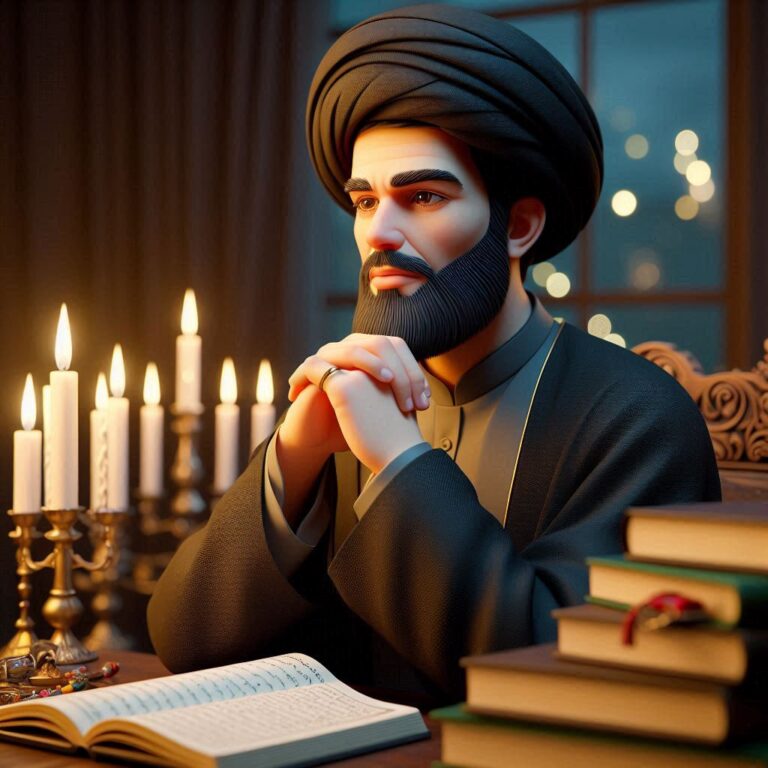 Shia Scholar
Offers guidance rooted in Shia interpretations of Islamic law, theology, and devotion to the prophetic family.
Shia Scholar
Offers guidance rooted in Shia interpretations of Islamic law, theology, and devotion to the prophetic family.
Introduction
In our journey through life, we consistently seek guidance, wisdom, and understanding. The teachings of Islam offer profound insights into our existence, shaping our character and community relationships. This article explores the fundamental pillars of Islamic teachings—knowledge, worship, mercy, character, and community—while respecting the diverse interpretations within our tradition.
The Pursuit of Knowledge
Knowledge is a cornerstone of Islamic life. The Qur’an emphasizes the importance of learning and reflection. Allah commands us to seek knowledge in various forms, as seen in the verse:
“And say, ‘My Lord, increase me in knowledge.'” (Qur’an 20:114)
This verse serves as a reminder that the pursuit of knowledge is a lifelong endeavor. It encourages us to engage with the world around us, expanding our understanding of both the divine and the creation.
Engaging with Knowledge
- Study the Qur’an: Reflecting on its verses can deepen our understanding of faith.
- Learn from Scholars: Engaging with knowledgeable individuals can provide insights into complex issues.
- Participate in Discussions: Sharing perspectives fosters a richer understanding of our faith.
As we delve into Islamic teachings, we must approach knowledge with humility, recognizing the diversity of thought within our tradition.
Worship as a Means of Connection
Worship (Ibadah) is fundamental in Islam, serving as a means to connect with Allah. The rituals of prayer, fasting, and charity are not merely acts of devotion but pathways to spiritual refinement.
The Essence of Worship
Worship cultivates a sense of discipline and gratitude. It reminds us of our dependence on Allah, encouraging a humble and sincere approach to life. As we engage in worship, we should reflect on the following:
- Intention: What is my intention behind my acts of worship?
- Consistency: Am I diligent in maintaining my worship practices?
- Reflection: How do my acts of worship impact my daily life and relationships?
By fostering a consistent worship practice, we can create a space for spiritual growth and connection.
The Role of Mercy in Islam
Mercy is a fundamental characteristic of Allah, and it is essential for us to embody this trait in our interactions with others. The Prophet Muhammad (peace be upon him) emphasized the importance of mercy when he stated:
“The merciful are shown mercy by the Merciful. Be merciful on the earth, and you will be shown mercy from above.”
In our daily lives, we have numerous opportunities to practice mercy, whether through acts of kindness, forgiveness, or simply being present for those in need.
Practicing Mercy
- Show Compassion: Engage with those around you, offering support and understanding.
- Forgive Others: Letting go of grudges can liberate both parties and foster peace.
- Be Patient: In the face of adversity, patience is a form of mercy towards oneself and others.
By integrating mercy into our character, we not only embody the teachings of Islam but also contribute to a more compassionate community.
Character Development
Islam places significant emphasis on character development. The teachings of the Ahl al-Bayt provide a framework for cultivating virtues such as honesty, integrity, and humility. These traits are essential for personal growth and community well-being.
Building Good Character
The development of good character involves conscious effort and self-reflection. Here are some practical steps to consider:
- Self-Reflection: Regularly assess your actions and intentions. Are they aligned with Islamic principles?
- Seek Feedback: Engage with trusted individuals who can provide constructive criticism.
- Practice Humility: Acknowledging our limitations fosters growth and understanding.
By focusing on character development, we contribute to a more harmonious society, reflecting the ideals of justice and compassion.
The Importance of Community
Community plays a vital role in Islamic life. The Qur’an and the teachings of the Prophet emphasize the significance of unity, cooperation, and mutual support. A strong community provides a sense of belonging and helps individuals grow spiritually and socially.
Fostering Community Spirit
- Engage Actively: Participate in community events and initiatives that promote social welfare.
- Support One Another: Offer assistance to those in need, fostering a spirit of solidarity.
- Encourage Inclusivity: Embrace diversity within the community, recognizing that differences enrich our collective experience.
A thriving community is one where individuals uplift each other, creating an environment conducive to spiritual and moral growth.
Respecting Scholarly Perspectives
Islamic scholarship encompasses a wide range of interpretations and perspectives. It is essential to approach these differences with respect and openness. Engaging with various scholarly views can enrich our understanding and foster a more nuanced appreciation of our faith.
Engaging with Scholarly Discourse
When exploring scholarly perspectives, consider the following:
- Listen Actively: When engaging with differing viewpoints, listen with the intent to understand rather than to respond.
- Research Thoroughly: Familiarize yourself with the context and reasoning behind various interpretations.
- Consult Local Scholars: For personal or binding decisions, seeking guidance from knowledgeable local religious leaders is crucial.
By fostering respectful dialogue, we can promote a culture of understanding and cooperation within our communities.
Conclusion
Islam offers a profound framework for personal and communal development, centered around knowledge, worship, mercy, character, and community. By engaging with these teachings thoughtfully and respectfully, we can nurture our faith and contribute positively to our surroundings.
As you reflect on the themes discussed in this article, consider how you can incorporate these principles into your daily life. Remember, the pursuit of knowledge and character development is a lifelong journey, and we are all fellow travelers on this path.
Reflection Questions
- How can I deepen my understanding of Islamic teachings in my daily life?
- What steps can I take to enhance my worship practices?
- In what ways can I embody mercy in my interactions with others?
- How can I contribute positively to my community?
- What scholarly perspectives have influenced my understanding of Islam?
Continue with Shia Scholar
 Embracing Islamic Teachings: A Journey of Knowledge and Mercy
Introduction In the rich tapestry of Islamic tradition, the teachings of the Qur’an and the Ahl al-Bayt provide…
Embracing Islamic Teachings: A Journey of Knowledge and Mercy
Introduction In the rich tapestry of Islamic tradition, the teachings of the Qur’an and the Ahl al-Bayt provide…
 Embracing Islamic Teachings: A Path to Knowledge and Mercy
Introduction In the rich tapestry of Islamic tradition, we find a profound emphasis on knowledge, worship, and character.…
Embracing Islamic Teachings: A Path to Knowledge and Mercy
Introduction In the rich tapestry of Islamic tradition, we find a profound emphasis on knowledge, worship, and character.…
 Embracing Knowledge and Mercy in Islamic Teachings
Introduction In our journey through life, the teachings of Islam guide us toward a path of knowledge, mercy,…
Embracing Knowledge and Mercy in Islamic Teachings
Introduction In our journey through life, the teachings of Islam guide us toward a path of knowledge, mercy,…
 Embracing Knowledge: A Journey Through Islamic Teachings
Introduction: The Light of Knowledge As we gather in this moment of reflection, I invite you to embark…
Embracing Knowledge: A Journey Through Islamic Teachings
Introduction: The Light of Knowledge As we gather in this moment of reflection, I invite you to embark…
 Embracing Knowledge and Mercy in Islamic Teachings
Introduction In our journey as Muslims navigating the complexities of modern life, we often find ourselves at the…
Embracing Knowledge and Mercy in Islamic Teachings
Introduction In our journey as Muslims navigating the complexities of modern life, we often find ourselves at the…
 Embracing Knowledge and Mercy in Islamic Tradition
Introduction: The Essence of Knowledge and Mercy As I reflect upon my journey in establishing the world’s first…
Embracing Knowledge and Mercy in Islamic Tradition
Introduction: The Essence of Knowledge and Mercy As I reflect upon my journey in establishing the world’s first…