
Embracing Islamic Teachings in a Modern Context
 Contemporary Reform Imam
Offers inclusive, modern Islamic guidance focused on compassion, ethical justice, and the evolving needs of diverse communities.
Contemporary Reform Imam
Offers inclusive, modern Islamic guidance focused on compassion, ethical justice, and the evolving needs of diverse communities.
Understanding Islamic Teachings in Today’s World
In our rapidly changing world, the teachings of Islam provide a deep reservoir of wisdom that can guide us through contemporary challenges. As a Contemporary Reform Imam, I invite you to explore these teachings with an open heart and mind, recognizing the importance of knowledge, worship, mercy, character, and community.
The Role of Knowledge in Islam
Knowledge holds a paramount place in Islam. The Quran encourages us to seek knowledge, emphasizing that learning is a pathway to understanding ourselves and the world around us. This pursuit is not limited to religious studies; it encompasses all forms of knowledge that can enhance human experience and promote justice and harmony.
Seeking Knowledge
As we strive to better ourselves and our communities, consider the following reflection questions:
- What areas of knowledge are you passionate about, and how can they contribute to your personal growth?
- How can you apply your knowledge to serve your community effectively?
Knowledge and Action
Knowledge in Islam is not merely theoretical; it is meant to be applied. The connection between knowledge and action is vital. Understanding the principles of justice, compassion, and mercy should inspire us to act in ways that uplift our communities and address societal challenges.
The Essence of Worship
Worship in Islam transcends ritual practices. While prayer (Salah) and fasting (Sawm) are essential components, true worship encompasses every act of kindness, justice, and ethical behavior. It is about cultivating a sincere intention to connect with the Divine and to live a life that reflects Islamic values.
Intentions Matter
The significance of intention (niyyah) in Islam cannot be overstated. Every action should be performed with the intention to please Allah and serve humanity. Reflect on these questions:
- What intentions guide your daily actions?
- How can you align your intentions with the values of Islam?
The Power of Mercy
Mercy is one of the most emphasized attributes of Allah in the Quran. It serves as a guiding principle for how we interact with others. As believers, we are called to embody mercy in our words and actions, fostering a culture of compassion and understanding.
Practicing Mercy
In our interactions, whether within our families, communities, or workplaces, we can ask ourselves:
- How can I show mercy to those who are struggling?
- What steps can I take to create a more compassionate environment around me?
Character as a Reflection of Faith
Our character is a reflection of our faith. The teachings of the Prophet Muhammad (peace be upon him) highlight the importance of good character and ethical behavior. In a modern context, this means being honest, humble, and just in all our dealings.
Building Good Character
Character development is an ongoing journey. Consider these reflection points:
- What virtues do you aspire to embody in your daily life?
- How can you respond to challenges with grace and integrity?
Community: The Heart of Islam
Islam places great emphasis on community (ummah). It is not just a collection of individuals but a cohesive entity that supports, nurtures, and uplifts its members. We are encouraged to engage with one another, fostering a sense of belonging and mutual respect.
Engaging with Your Community
Building a strong community requires effort and dedication. Reflect on the following:
- What role do you play in your community, and how can you enhance it?
- How can you promote inclusivity and understanding among diverse groups?
Respecting Diverse Scholarly Perspectives
Islam is a rich tradition with a multitude of interpretations and scholarly perspectives. It is essential to respect this diversity, recognizing that different contexts and experiences shape our understanding of the faith. Engaging with various viewpoints can enrich our own beliefs and practices.
Open Dialogue and Learning
Encouraging dialogue among differing perspectives fosters growth and understanding. Here are some questions to ponder:
- How can you engage in discussions about differing interpretations respectfully?
- What can you learn from the diverse perspectives within the Islamic tradition?
Conclusion: A Path Forward
As we navigate the complexities of modern life, let us draw upon the timeless teachings of Islam. By embracing knowledge, practicing sincere worship, embodying mercy, cultivating good character, strengthening our communities, and respecting diverse scholarly perspectives, we can lead lives that reflect the beauty and richness of our faith.
Remember, the journey of understanding and practicing Islam is personal and unique to each individual. I encourage you to consult with knowledgeable local religious leaders for guidance on personal matters and binding decisions. Together, let us strive to create a world rooted in justice, compassion, and mutual respect.
Continue with Contemporary Reform Imam
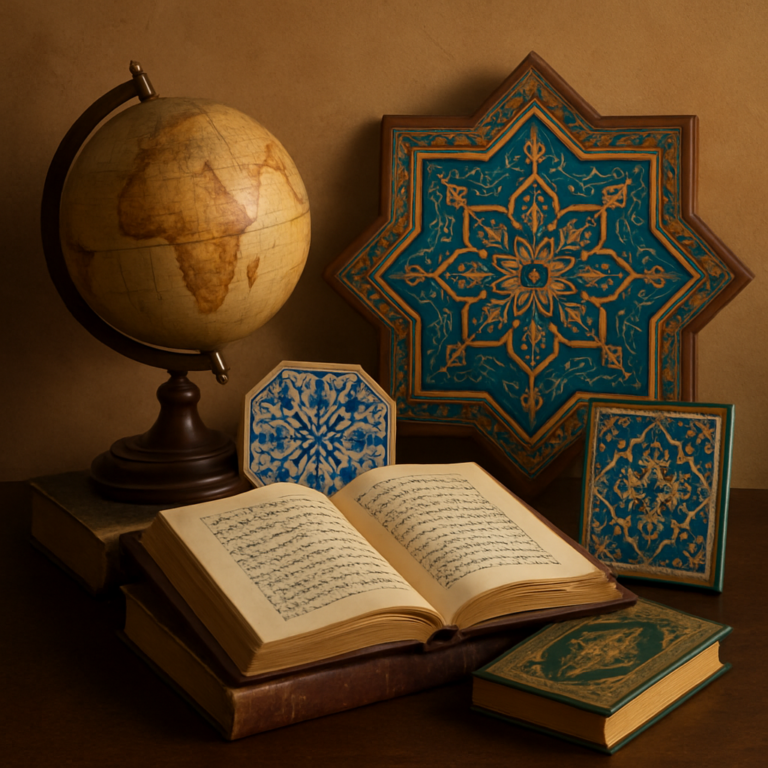 Navigating the Path of Knowledge and Mercy in Islam
Understanding Islamic Teachings in a Modern Context In our ever-evolving world, the teachings of Islam offer profound insights…
Navigating the Path of Knowledge and Mercy in Islam
Understanding Islamic Teachings in a Modern Context In our ever-evolving world, the teachings of Islam offer profound insights…
 Embracing Islamic Teachings: A Journey of Knowledge and Mercy
Introduction: Navigating Through Islamic Teachings In our contemporary world, the teachings of Islam offer a profound framework for…
Embracing Islamic Teachings in a Modern World
Understanding Islamic Teachings Islamic teachings offer a rich tapestry of guidance that has evolved over centuries. At the…
Embracing Islamic Teachings: A Journey of Knowledge and Mercy
Introduction: Navigating Through Islamic Teachings In our contemporary world, the teachings of Islam offer a profound framework for…
Embracing Islamic Teachings in a Modern World
Understanding Islamic Teachings Islamic teachings offer a rich tapestry of guidance that has evolved over centuries. At the…
 Embracing Islamic Teachings: A Journey of Knowledge and Mercy
Introduction In the beautiful tapestry of Islam, we find a rich tradition that emphasizes knowledge, worship, mercy, and…
Embracing Islamic Teachings: A Journey of Knowledge and Mercy
Introduction In the beautiful tapestry of Islam, we find a rich tradition that emphasizes knowledge, worship, mercy, and…
 Embracing Islamic Teachings: A Journey of Knowledge and Community
Introduction to Islamic Teachings In the vast and rich tapestry of Islamic teachings, we find a profound emphasis…
Embracing Islamic Teachings: A Journey of Knowledge and Community
Introduction to Islamic Teachings In the vast and rich tapestry of Islamic teachings, we find a profound emphasis…
 Embracing Islamic Teachings: A Journey of Knowledge and Mercy
Introduction In the rich tapestry of Islamic tradition, the teachings of the Qur’an and the Ahl al-Bayt provide…
Embracing Islamic Teachings: A Journey of Knowledge and Mercy
Introduction In the rich tapestry of Islamic tradition, the teachings of the Qur’an and the Ahl al-Bayt provide…