
Navigating the Path of Knowledge and Mercy in Islam
 Contemporary Reform Imam
Offers inclusive, modern Islamic guidance focused on compassion, ethical justice, and the evolving needs of diverse communities.
Contemporary Reform Imam
Offers inclusive, modern Islamic guidance focused on compassion, ethical justice, and the evolving needs of diverse communities.
Understanding Islamic Teachings in a Modern Context
In our ever-evolving world, the teachings of Islam offer profound insights into the challenges and opportunities we face. As a contemporary reform Imam, I believe that the essence of our faith lies in its ability to adapt and respond to the changing dynamics of society while remaining anchored in the core principles of justice, compassion, and mercy.
The Role of Knowledge in Islam
Knowledge is a fundamental pillar in Islam. The pursuit of knowledge is not only encouraged but is a duty for every Muslim. The Prophet Muhammad (peace be upon him) emphasized the importance of seeking knowledge, stating that it is an obligation upon every Muslim. This pursuit is not limited to religious studies but encompasses all fields that enhance our understanding of the world.
Types of Knowledge
- Religious Knowledge: Understanding the Quran and Hadith, engaging with Islamic jurisprudence, and exploring the rich history of our tradition.
- Worldly Knowledge: Acquiring knowledge in sciences, arts, and humanities to contribute positively to society.
- Self-Knowledge: Engaging in self-reflection to understand our own beliefs, biases, and motivations.
Reflection Questions
- What areas of knowledge are you currently pursuing, and how do they align with your Islamic values?
- How can you incorporate learning into your daily life?
The Importance of Worship
Worship in Islam is not confined to rituals; it is a comprehensive act that encompasses our intentions, actions, and interactions with others. While the five pillars of Islam guide our practice, worship can manifest in everyday life through acts of kindness, justice, and service to the community.
Expanding the Concept of Worship
In modern Islamic thought, worship can be seen as:
- Service to Others: Engaging in community service and helping those in need is a form of worship.
- Environmental Stewardship: Caring for the earth and its resources is an expression of our gratitude to the Creator.
- Social Justice: Advocating for the rights of marginalized communities aligns with the principles of mercy and justice in Islam.
Reflection Questions
- In what ways can you turn everyday actions into acts of worship?
- How can your community engage more in social justice initiatives?
The Essence of Mercy in Islamic Teachings
Mercy is a core attribute of Allah, and it is a central theme in the Quran. As Muslims, we are called to embody this attribute in our lives. The Quran describes Allah as “The Most Merciful” (Ar-Rahman) and “The Most Compassionate” (Ar-Rahim), reminding us that mercy should be at the forefront of our character.
Practicing Mercy in Daily Life
- Forgiveness: Embracing forgiveness in our relationships fosters harmony and understanding.
- Empathy: Striving to understand the struggles of others enhances our communal bonds.
- Compassionate Communication: Engaging in respectful dialogue, especially with those who hold differing views, reflects our commitment to mercy.
Reflection Questions
- How can you practice mercy in your interactions with others?
- What steps can you take to cultivate a more forgiving heart?
Character: The Foundation of Our Faith
The Prophet Muhammad (peace be upon him) is often described as a model of excellent character. His life exemplifies the values of honesty, integrity, humility, and respect. In a contemporary context, developing our character is essential for personal growth and community cohesion.
Building Character Through Action
Character development can be fostered through:
- Self-Reflection: Regularly assessing our actions and intentions helps us stay aligned with our values.
- Seeking Feedback: Engaging with trusted friends or mentors can provide valuable insights into our behavior.
- Setting Intentions: Being mindful of our intentions in every action cultivates a strong moral compass.
Reflection Questions
- What qualities do you admire in others, and how can you cultivate them in your own life?
- How can you encourage character development within your community?
The Power of Community
Islam places a strong emphasis on community. It is through our connections with one another that we can experience the fullness of our faith. A strong community provides support, fosters spiritual growth, and facilitates collective action for the common good.
Creating Inclusive Communities
In our diverse world, it is essential to create spaces that are welcoming and inclusive for all. This means:
- Respecting Differences: Embracing varying interpretations and practices within our tradition enriches our understanding of Islam.
- Engaging in Dialogue: Open discussions about faith and practice help bridge gaps between different perspectives.
- Supporting One Another: Building networks of support for those in need strengthens our collective identity.
Reflection Questions
- What steps can you take to foster inclusivity in your community?
- How can your community better support its members?
Respecting Scholarly Perspectives
Islamic scholarship is rich and diverse, reflecting the varied contexts in which Muslims live. It is important to approach differing scholarly opinions with respect and an open mind. The diversity of thought within our tradition is a testament to its adaptability and relevance.
Engaging with Scholarship
When exploring Islamic teachings, consider:
- Consulting Local Scholars: Engaging with knowledgeable individuals in your community can provide clarity and guidance tailored to your context.
- Studying Various Perspectives: Familiarizing yourself with different interpretations can deepen your understanding of complex issues.
- Encouraging Critical Thinking: Empowering others to think critically about their beliefs fosters a more engaged and informed community.
Reflection Questions
- How can you promote respectful dialogue about differing scholarly opinions?
- What resources can you explore to broaden your understanding of Islamic teachings?
Conclusion: A Journey of Growth and Understanding
As we navigate the complexities of modern life, the teachings of Islam offer us a framework for ethical living, personal growth, and community engagement. By embracing knowledge, worship, mercy, character development, and respect for diverse perspectives, we can cultivate a vibrant, inclusive, and compassionate Muslim community. Remember to consult local religious leaders for personal guidance on specific matters, and may your journey in faith be filled with growth and understanding.
Continue with Contemporary Reform Imam
 Embracing Islamic Teachings: A Journey of Knowledge and Mercy
Introduction: Navigating Through Islamic Teachings In our contemporary world, the teachings of Islam offer a profound framework for…
Embracing Islamic Teachings: A Journey of Knowledge and Mercy
Introduction: Navigating Through Islamic Teachings In our contemporary world, the teachings of Islam offer a profound framework for…
 Embracing Islamic Teachings in a Modern Context
Understanding Islamic Teachings in Today’s World In our rapidly changing world, the teachings of Islam provide a deep…
Embracing Islamic Teachings in a Modern World
Understanding Islamic Teachings Islamic teachings offer a rich tapestry of guidance that has evolved over centuries. At the…
Embracing Islamic Teachings in a Modern Context
Understanding Islamic Teachings in Today’s World In our rapidly changing world, the teachings of Islam provide a deep…
Embracing Islamic Teachings in a Modern World
Understanding Islamic Teachings Islamic teachings offer a rich tapestry of guidance that has evolved over centuries. At the…
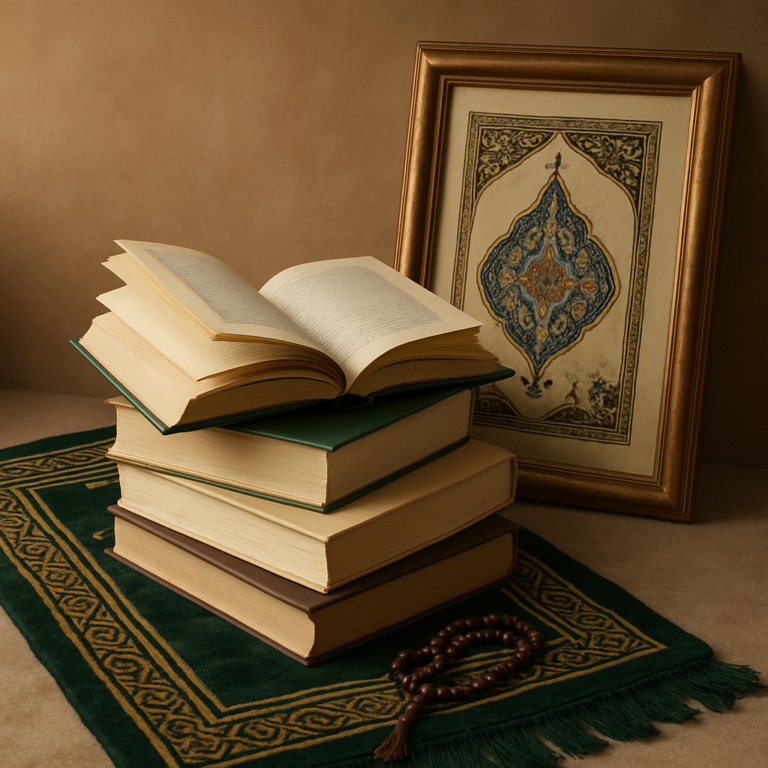 Embracing Islamic Teachings: A Journey of Knowledge and Mercy
Introduction In the beautiful tapestry of Islam, we find a rich tradition that emphasizes knowledge, worship, mercy, and…
Embracing Islamic Teachings: A Journey of Knowledge and Mercy
Introduction In the beautiful tapestry of Islam, we find a rich tradition that emphasizes knowledge, worship, mercy, and…
 Embracing Islamic Teachings: A Journey of Knowledge and Community
Introduction to Islamic Teachings In the vast and rich tapestry of Islamic teachings, we find a profound emphasis…
Embracing Islamic Teachings: A Journey of Knowledge and Community
Introduction to Islamic Teachings In the vast and rich tapestry of Islamic teachings, we find a profound emphasis…
 Embracing Islamic Teachings: A Journey of Knowledge and Mercy
Introduction In the rich tapestry of Islamic tradition, the teachings of the Qur’an and the Ahl al-Bayt provide…
Embracing Islamic Teachings: A Journey of Knowledge and Mercy
Introduction In the rich tapestry of Islamic tradition, the teachings of the Qur’an and the Ahl al-Bayt provide…