
Embracing Islamic Teachings for Modern Challenges
 Contemporary Reform Imam
Offers inclusive, modern Islamic guidance focused on compassion, ethical justice, and the evolving needs of diverse communities.
Contemporary Reform Imam
Offers inclusive, modern Islamic guidance focused on compassion, ethical justice, and the evolving needs of diverse communities.
Understanding the Essence of Islamic Teachings
Islam is a rich tradition that has evolved over centuries, offering profound insights into knowledge, worship, mercy, character, and community. As contemporary Muslims, we face unique challenges that require us to engage with our faith in thoughtful and inclusive ways. This article aims to explore these essential aspects of Islamic teachings and how they can guide us in navigating the complexities of modern life.
The Pursuit of Knowledge
Knowledge holds a central place in Islam, often emphasized as a means to better understand ourselves, our world, and our Creator. The Quran encourages reflection and inquiry, stating that seeking knowledge is a duty for every Muslim. This pursuit is not limited to religious studies but extends to all fields of knowledge, including science, philosophy, and social sciences.
In our contemporary context, we must recognize the importance of critical thinking and the value of diverse perspectives. Engaging with a variety of scholarly opinions can enrich our understanding and help us develop a more nuanced view of our faith. This openness fosters an environment where learning is collaborative and respectful.
Worship: A Personal Journey
Worship in Islam is not confined to rituals; it encompasses every action that draws us closer to Allah. While the five pillars provide a framework, our personal relationship with worship can be deeply individual. It’s essential to find ways to connect with the divine that resonate with our experiences and realities.
Consider how your daily actions can be acts of worship. Reflect on the intention behind your deeds—are they aligned with the values of compassion and justice? This reflective practice can transform mundane tasks into meaningful expressions of faith.
The Role of Mercy in Our Lives
Mercy is one of the defining attributes of Allah and a fundamental principle in Islam. The Quran speaks of mercy as a guiding force for human interactions. As we navigate our lives, embodying mercy can help us foster understanding and empathy, both within our communities and beyond.
In a world often marked by division and strife, how can we practice mercy in our daily encounters? It might start with small acts—showing kindness to a neighbor, offering a listening ear, or advocating for the marginalized. These actions, rooted in mercy, can create ripples of positive change.
Character: The Foundation of Our Faith
Islamic teachings emphasize the cultivation of good character. The Prophet Muhammad (peace be upon him) is often cited as a model for moral conduct, and his life serves as an example for us to emulate. However, character development is an ongoing process that requires self-reflection and commitment.
What virtues do you aspire to embody? Honesty, humility, patience, and justice are all integral to Islamic character. Engaging in self-assessment can help us identify areas for growth and encourage us to seek support from our communities.
Building Inclusive Communities
Community is at the heart of Islamic practice. The Quran emphasizes the importance of unity and cooperation among believers. However, our communities are diverse, encompassing various cultures, backgrounds, and interpretations of Islam. Embracing this diversity enriches our collective experience and strengthens our bonds.
How can we foster inclusivity in our communities? Consider initiating dialogues that welcome differing viewpoints, creating spaces for all voices to be heard, and promoting understanding through education. By doing so, we can build communities that reflect the beauty of our shared faith while respecting our differences.
Respectful Scholarly Perspectives
Islamic scholarship is vast and varied, with numerous schools of thought and interpretations. Each perspective offers valuable insights that can deepen our understanding of the faith. Engaging with different scholars and their works can help us appreciate the richness of Islamic thought.
It is crucial to approach scholarly differences with respect and openness, recognizing that varying interpretations can coexist. This diversity allows for a more comprehensive understanding of Islam and provides us with tools to address contemporary issues.
Practical Reflections
As we navigate our faith in modern contexts, here are some reflective questions to consider:
- How can I actively pursue knowledge in my daily life?
- In what ways can I make my worship more meaningful and personal?
- How do I embody mercy in my interactions with others?
- What virtues do I want to cultivate in my character?
- How can I contribute to building an inclusive community?
- Am I open to exploring different scholarly perspectives, and how can this benefit my understanding of Islam?
Conclusion
Islam is a dynamic tradition that encourages us to engage thoughtfully with its teachings. By focusing on knowledge, worship, mercy, character, community, and respectful scholarship, we can navigate the complexities of modern life while remaining rooted in our faith. Remember, it is always beneficial to seek guidance from local religious leaders for personal or binding decisions.
In this journey, let us strive to embody the principles of compassion, justice, and inclusivity, creating a world where our diverse perspectives enrich our shared experience as Muslims.
Continue with Contemporary Reform Imam
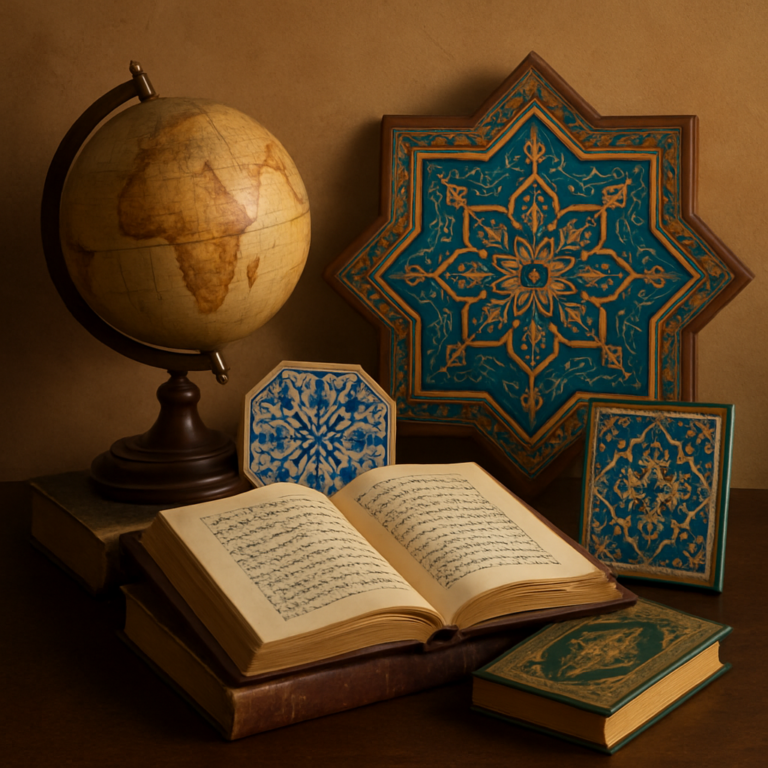 Navigating the Path of Knowledge and Mercy in Islam
Understanding Islamic Teachings in a Modern Context In our ever-evolving world, the teachings of Islam offer profound insights…
Navigating the Path of Knowledge and Mercy in Islam
Understanding Islamic Teachings in a Modern Context In our ever-evolving world, the teachings of Islam offer profound insights…
 Embracing Islamic Teachings: A Journey of Knowledge and Mercy
Introduction: Navigating Through Islamic Teachings In our contemporary world, the teachings of Islam offer a profound framework for…
Embracing Islamic Teachings: A Journey of Knowledge and Mercy
Introduction: Navigating Through Islamic Teachings In our contemporary world, the teachings of Islam offer a profound framework for…
 Embracing Islamic Teachings in a Modern Context
Understanding Islamic Teachings in Today’s World In our rapidly changing world, the teachings of Islam provide a deep…
Embracing Islamic Teachings in a Modern Context
Understanding Islamic Teachings in Today’s World In our rapidly changing world, the teachings of Islam provide a deep…
 Embracing Islamic Teachings: A Journey of Knowledge and Mercy
Introduction In the beautiful tapestry of Islam, we find a rich tradition that emphasizes knowledge, worship, mercy, and…
Embracing Islamic Teachings: A Journey of Knowledge and Mercy
Introduction In the beautiful tapestry of Islam, we find a rich tradition that emphasizes knowledge, worship, mercy, and…
 Embracing Islamic Teachings: A Journey of Knowledge and Community
Introduction to Islamic Teachings In the vast and rich tapestry of Islamic teachings, we find a profound emphasis…
Embracing Islamic Teachings: A Journey of Knowledge and Community
Introduction to Islamic Teachings In the vast and rich tapestry of Islamic teachings, we find a profound emphasis…
 Embracing Islamic Teachings: A Journey of Knowledge and Mercy
Introduction In the rich tapestry of Islamic tradition, the teachings of the Qur’an and the Ahl al-Bayt provide…
Embracing Islamic Teachings: A Journey of Knowledge and Mercy
Introduction In the rich tapestry of Islamic tradition, the teachings of the Qur’an and the Ahl al-Bayt provide…