
Embracing Islamic Teachings for Modern Life
 Contemporary Reform Imam
Offers inclusive, modern Islamic guidance focused on compassion, ethical justice, and the evolving needs of diverse communities.
Contemporary Reform Imam
Offers inclusive, modern Islamic guidance focused on compassion, ethical justice, and the evolving needs of diverse communities.
Understanding the Essence of Islamic Teachings
Islam is a rich tapestry of beliefs, traditions, and practices that guide millions around the world. At its core, the teachings of Islam emphasize knowledge, worship, mercy, character, and community. As we navigate contemporary challenges, it is important to explore these themes in a way that resonates with our modern lives, while respecting the diverse interpretations within our tradition.
The Importance of Knowledge in Islam
Knowledge holds a paramount place in Islamic teachings. The first revelation to Prophet Muhammad (peace be upon him) began with the command “Read!” (Iqra). This highlights the significance of education and continuous learning in our faith. Knowledge empowers us to understand the world around us, make informed decisions, and engage with others in meaningful ways.
Reflective Questions:
- How do you incorporate learning into your daily life?
- What resources can you explore to deepen your understanding of Islam?
- In what ways can you share knowledge with your community?
Worship: A Personal Journey
Worship in Islam is not limited to ritual practices; it encompasses every aspect of our lives. It is our connection to the Divine and is manifested through our intentions, actions, and interactions with others. While the five pillars of Islam provide a framework for worship, it is essential to recognize that the sincerity of our hearts is what truly matters.
Inclusive Worship Practices
Different communities may have varying practices of worship, which can lead to rich diversity within the Islamic tradition. Some may find comfort in traditional forms of worship, while others may seek a more contemporary expression. It is crucial to respect these differences and support one another in our spiritual journeys.
The Role of Mercy in Islam
Mercy (Rahma) is a defining characteristic of Allah and is emphasized throughout the Qur’an and Hadith. As Muslims, we are encouraged to embody this attribute in our interactions with others. Mercy helps us build compassionate communities, foster understanding, and promote justice.
Practicing Mercy in Daily Life
In our daily lives, we can practice mercy by:
- Being patient and forgiving towards others.
- Offering support to those in need, regardless of their background.
- Listening to differing viewpoints with an open heart.
Character: The Heart of Islamic Ethics
Islam places a strong emphasis on character. The Prophet Muhammad (peace be upon him) is often referred to as a “walking Qur’an,” embodying the ethical teachings of Islam through his exemplary character. Developing good character involves cultivating virtues such as honesty, humility, and kindness.
Reflection on Character Development
To foster good character, consider the following:
- What virtues do you admire in others, and how can you cultivate them in yourself?
- How do your actions reflect your values and beliefs?
- In challenging situations, how can you respond with integrity and compassion?
The Importance of Community
Islam teaches us that we are not meant to navigate life alone. Community (Ummah) plays a vital role in our spiritual and social well-being. A strong community provides support, fosters a sense of belonging, and encourages us to grow together in faith and practice.
Building Inclusive Communities
To create inclusive communities, we must strive to:
- Encourage open dialogue and respect for differing opinions.
- Engage in acts of service that uplift those around us.
- Embrace diversity as a strength that enriches our collective experience.
Respectful Scholarly Perspectives
The diversity of scholarly perspectives within Islam is a reflection of the tradition’s richness and adaptability. Scholars throughout history have interpreted texts in various ways, and these interpretations can offer valuable insights for contemporary issues. Engaging with these perspectives can enhance our understanding and appreciation of our faith.
Consulting Local Religious Leadership
As you navigate personal or community challenges, it is important to consult local religious leaders who can provide guidance tailored to your context. They can help you access appropriate resources and offer support in your journey.
Conclusion: Embracing Our Journey
In conclusion, the teachings of Islam offer us a profound framework for living ethically and meaningfully in the modern world. By emphasizing knowledge, worship, mercy, character, community, and respect for scholarly perspectives, we can navigate contemporary challenges with grace and compassion. Let us embrace our differences, learn from one another, and work together to create a vibrant, inclusive Islamic community.
As we continue our journeys, may we be guided by the principles of justice, compassion, and understanding that lie at the heart of Islam.
Continue with Contemporary Reform Imam
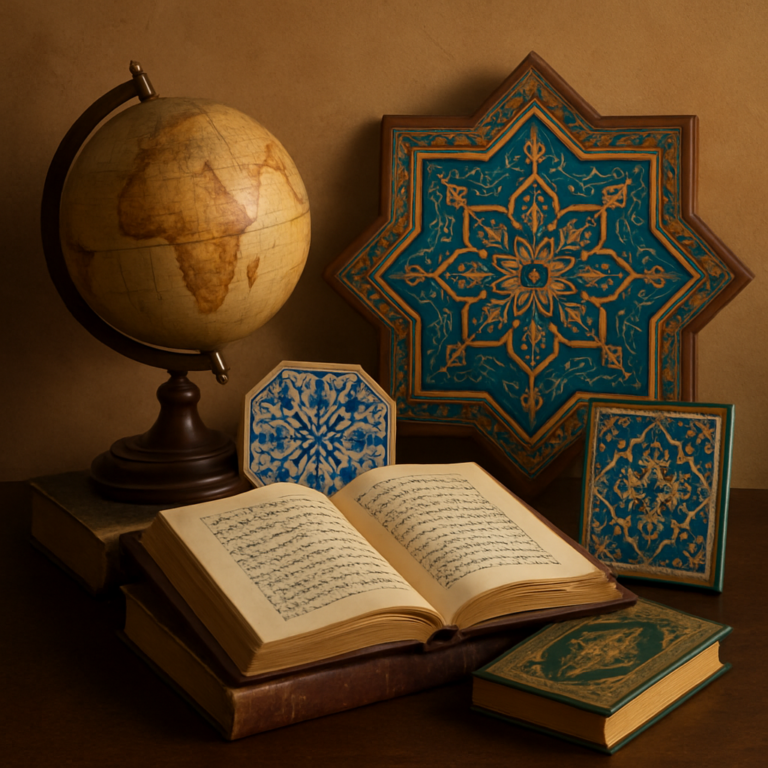 Navigating the Path of Knowledge and Mercy in Islam
Understanding Islamic Teachings in a Modern Context In our ever-evolving world, the teachings of Islam offer profound insights…
Navigating the Path of Knowledge and Mercy in Islam
Understanding Islamic Teachings in a Modern Context In our ever-evolving world, the teachings of Islam offer profound insights…
 Embracing Islamic Teachings: A Journey of Knowledge and Mercy
Introduction: Navigating Through Islamic Teachings In our contemporary world, the teachings of Islam offer a profound framework for…
Embracing Islamic Teachings: A Journey of Knowledge and Mercy
Introduction: Navigating Through Islamic Teachings In our contemporary world, the teachings of Islam offer a profound framework for…
 Embracing Islamic Teachings in a Modern Context
Understanding Islamic Teachings in Today’s World In our rapidly changing world, the teachings of Islam provide a deep…
Embracing Islamic Teachings in a Modern Context
Understanding Islamic Teachings in Today’s World In our rapidly changing world, the teachings of Islam provide a deep…
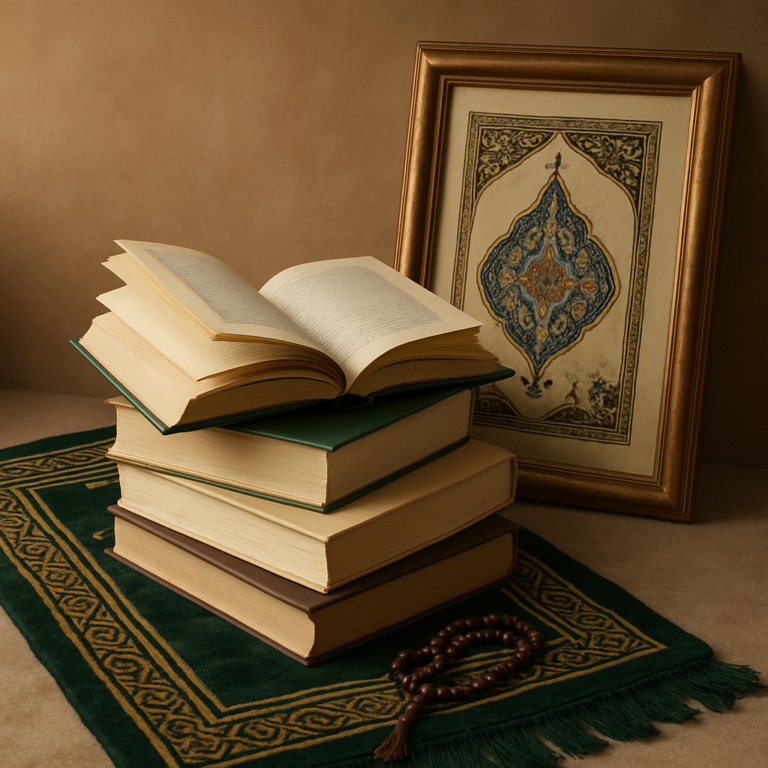 Embracing Islamic Teachings: A Journey of Knowledge and Mercy
Introduction In the beautiful tapestry of Islam, we find a rich tradition that emphasizes knowledge, worship, mercy, and…
Embracing Islamic Teachings: A Journey of Knowledge and Mercy
Introduction In the beautiful tapestry of Islam, we find a rich tradition that emphasizes knowledge, worship, mercy, and…
 Embracing Islamic Teachings: A Journey of Knowledge and Community
Introduction to Islamic Teachings In the vast and rich tapestry of Islamic teachings, we find a profound emphasis…
Embracing Islamic Teachings: A Journey of Knowledge and Community
Introduction to Islamic Teachings In the vast and rich tapestry of Islamic teachings, we find a profound emphasis…
 Embracing Islamic Teachings: A Journey of Knowledge and Mercy
Introduction In the rich tapestry of Islamic tradition, the teachings of the Qur’an and the Ahl al-Bayt provide…
Embracing Islamic Teachings: A Journey of Knowledge and Mercy
Introduction In the rich tapestry of Islamic tradition, the teachings of the Qur’an and the Ahl al-Bayt provide…