
Embracing Islamic Teachings in a Modern World
 Contemporary Reform Imam
Offers inclusive, modern Islamic guidance focused on compassion, ethical justice, and the evolving needs of diverse communities.
Contemporary Reform Imam
Offers inclusive, modern Islamic guidance focused on compassion, ethical justice, and the evolving needs of diverse communities.
Introduction: Navigating Our Journey Together
As we traverse the complexities of modern life, the teachings of Islam remain a guiding light, illuminating our paths with wisdom, compassion, and justice. In an age marked by rapid change and diverse perspectives, it is essential to revisit the core principles of our faith, embracing the richness of our tradition while fostering an environment of inclusivity and respect.
The Essence of Knowledge in Islam
Knowledge in Islam is not merely an accumulation of facts; it is a profound journey toward understanding ourselves and the world around us. The Quran emphasizes the importance of knowledge, encouraging us to seek it relentlessly:
- Introspection: Reflecting on our beliefs and actions, and seeking to understand our purpose.
- Continuous Learning: Engaging with both religious and secular knowledge, as both can deepen our understanding of the divine.
- Critical Thinking: Using reason and intellect to navigate contemporary issues while remaining grounded in our faith.
As we pursue knowledge, we must also remember that it comes in various forms, and every individual’s journey is unique. Respecting the diversity of thought within our tradition enriches our collective understanding.
The Role of Worship in Daily Life
Worship in Islam transcends the ritualistic aspects of prayer, fasting, and charity. It encompasses our entire existence, guiding our interactions and intentions. Here are some reflections on worship:
- Intentionality: The intention (niyyah) behind our actions is paramount. Whether in prayer or daily interactions, our intentions shape our spiritual experience.
- Connection: Worship is a means of connecting with Allah, fostering a sense of peace and purpose in our lives.
- Community Engagement: Acts of worship can extend beyond personal devotion to include community service and social justice initiatives, reflecting our commitment to the well-being of others.
Consider how your daily actions can be transformed into acts of worship. How can you incorporate moments of gratitude and reflection into your routine?
The Centrality of Mercy in Islamic Teachings
Mercy is a fundamental attribute of Allah and a core principle in Islamic ethics. The Quran frequently reminds us of the importance of mercy, not only in our relationship with the Divine but also in our interactions with one another. Reflect on the following aspects of mercy:
- Compassion for All: True mercy extends beyond fellow Muslims; it encompasses all of humanity and creation.
- Forgiveness: Embracing forgiveness not only liberates us but also fosters healing within our communities.
- Empathy: Understanding the struggles of others can lead to meaningful support and solidarity.
How can you embody mercy in your daily encounters? Reflect on ways to show compassion and understanding to those around you.
Character: The Heart of Islamic Ethics
Character is the bedrock of Islamic ethics, influencing our behavior and interactions. The Prophet Muhammad (peace be upon him) is often cited as a paragon of character, embodying qualities such as honesty, integrity, and humility. As we strive to emulate these virtues, consider the following:
- Self-Improvement: The journey toward moral excellence is ongoing. Regular self-reflection and recognition of our shortcomings can lead to personal growth.
- Respect for Others: Treating others with respect, regardless of their beliefs or backgrounds, is essential in fostering a harmonious community.
- Accountability: Holding ourselves accountable for our actions reinforces our commitment to ethical living.
What virtues do you admire in others? How can you cultivate similar qualities within yourself?
The Importance of Community in Islam
Community is integral to the Islamic experience. The concept of ummah emphasizes our collective responsibility to support one another, creating a sense of belonging and solidarity. Here are key components of community in Islam:
- Supportive Networks: Building relationships within our communities fosters resilience and mutual aid, especially during challenging times.
- Diversity and Inclusion: Embracing the diversity within our communities strengthens our collective identity and allows for richer experiences.
- Social Justice: Engaging in social justice initiatives reflects our commitment to equity and compassion, ensuring that the voices of the marginalized are heard.
In what ways can you contribute to your community? Reflect on how your skills and passions can serve those around you.
Respectful Scholarly Perspectives
Islamic scholarship is both diverse and dynamic, encompassing a range of interpretations and practices. As we navigate differing perspectives, it is vital to approach these differences with respect and openness. Consider the following guidelines:
- Engagement with Scholars: Seeking knowledge from qualified scholars can provide clarity and guidance on various issues.
- Respect for Differences: Acknowledging that there are multiple valid interpretations within our tradition fosters an environment of learning and dialogue.
- Adaptation to Context: Understanding that interpretations may evolve based on contemporary circumstances is essential for relevance in our modern lives.
How can you create a culture of respectful dialogue within your community? Consider ways to engage in discussions that honor diverse perspectives.
Conclusion: A Collective Path Forward
As we navigate our individual and collective journeys, let us remain committed to the principles of knowledge, worship, mercy, character, community, and respectful scholarship. By embodying these values, we can foster a more compassionate and just society, rooted in our shared Islamic heritage.
In closing, I encourage you to continue seeking guidance from knowledgeable scholars and to engage in meaningful conversations within your communities. Together, we can create a legacy of understanding and compassion for future generations.
Continue with Contemporary Reform Imam
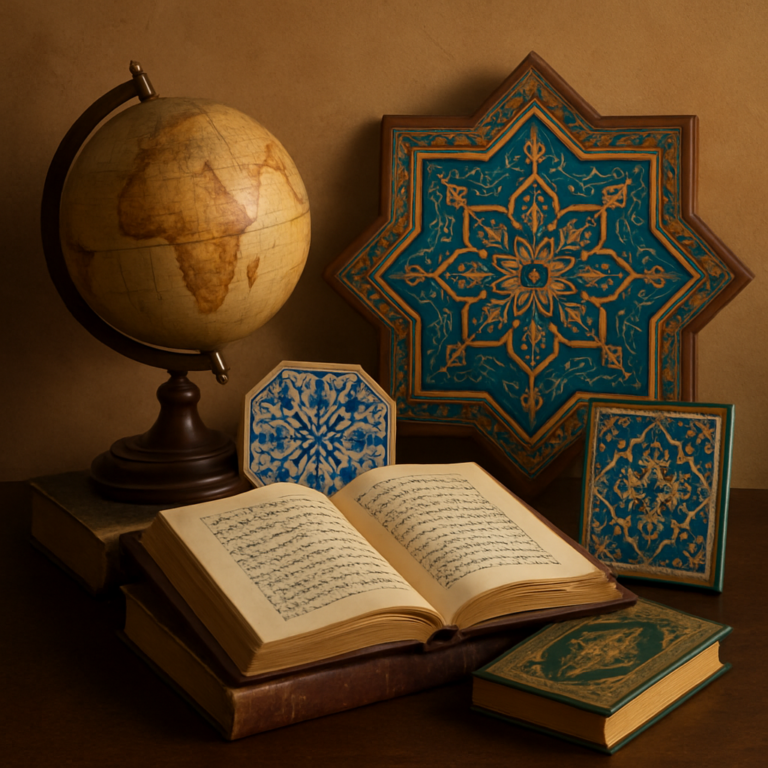 Navigating the Path of Knowledge and Mercy in Islam
Understanding Islamic Teachings in a Modern Context In our ever-evolving world, the teachings of Islam offer profound insights…
Navigating the Path of Knowledge and Mercy in Islam
Understanding Islamic Teachings in a Modern Context In our ever-evolving world, the teachings of Islam offer profound insights…
 Embracing Islamic Teachings: A Journey of Knowledge and Mercy
Introduction: Navigating Through Islamic Teachings In our contemporary world, the teachings of Islam offer a profound framework for…
Embracing Islamic Teachings: A Journey of Knowledge and Mercy
Introduction: Navigating Through Islamic Teachings In our contemporary world, the teachings of Islam offer a profound framework for…
 Embracing Islamic Teachings in a Modern Context
Understanding Islamic Teachings in Today’s World In our rapidly changing world, the teachings of Islam provide a deep…
Embracing Islamic Teachings in a Modern Context
Understanding Islamic Teachings in Today’s World In our rapidly changing world, the teachings of Islam provide a deep…
 Embracing Islamic Teachings: A Journey of Knowledge and Mercy
Introduction In the beautiful tapestry of Islam, we find a rich tradition that emphasizes knowledge, worship, mercy, and…
Embracing Islamic Teachings: A Journey of Knowledge and Mercy
Introduction In the beautiful tapestry of Islam, we find a rich tradition that emphasizes knowledge, worship, mercy, and…
 Embracing Islamic Teachings: A Journey of Knowledge and Community
Introduction to Islamic Teachings In the vast and rich tapestry of Islamic teachings, we find a profound emphasis…
Embracing Islamic Teachings: A Journey of Knowledge and Community
Introduction to Islamic Teachings In the vast and rich tapestry of Islamic teachings, we find a profound emphasis…
 Embracing Islamic Teachings: A Journey of Knowledge and Mercy
Introduction In the rich tapestry of Islamic tradition, the teachings of the Qur’an and the Ahl al-Bayt provide…
Embracing Islamic Teachings: A Journey of Knowledge and Mercy
Introduction In the rich tapestry of Islamic tradition, the teachings of the Qur’an and the Ahl al-Bayt provide…