
Embracing Islamic Teachings in Modern Life: A Journey of Knowledge and Mercy
 Contemporary Reform Imam
Offers inclusive, modern Islamic guidance focused on compassion, ethical justice, and the evolving needs of diverse communities.
Contemporary Reform Imam
Offers inclusive, modern Islamic guidance focused on compassion, ethical justice, and the evolving needs of diverse communities.
Introduction
In our rapidly changing world, the teachings of Islam offer a treasure trove of wisdom and guidance. As a Contemporary Reform Imam, I believe that engaging deeply with Islamic teachings can illuminate our paths, helping us navigate the complexities of modern life while fostering compassion, justice, and community. This article explores the core elements of our faith—knowledge, worship, mercy, character, and community—inviting you to reflect on their significance in our daily lives.
The Pursuit of Knowledge
Islam places a profound emphasis on the pursuit of knowledge, urging believers to seek understanding and wisdom throughout their lives. The Quran encourages inquiry and reflection, reminding us that knowledge is a pathway to greater faith and ethical conduct.
Knowledge as a Spiritual Journey
Knowledge in Islam is not merely academic; it is a spiritual journey that encompasses both the sacred and the secular. It involves understanding the world around us, our place in it, and our responsibilities towards others. The Prophet Muhammad (peace be upon him) said, “Seeking knowledge is an obligation upon every Muslim.” This call to learn invites us to engage with various fields, from science to the humanities, recognizing that all knowledge ultimately leads us back to our Creator.
Reflective Questions
- What areas of knowledge are you most passionate about, and how can they enhance your understanding of Islam?
- How can you create a habit of lifelong learning in your daily life?
- In what ways can knowledge empower you to better serve your community?
The Essence of Worship
Worship in Islam transcends ritual practices; it is an expression of our connection with the Divine. The five pillars of Islam—Shahada (faith), Salah (prayer), Zakat (charity), Sawm (fasting), and Hajj (pilgrimage)—serve as foundational acts of worship that foster a sense of belonging and spiritual discipline.
Worship as a Means of Connection
Through our acts of worship, we cultivate a relationship with Allah, grounding ourselves in humility and gratitude. Whether through daily prayers or acts of kindness, worship is a reminder of our purpose and the interconnectedness of all creation. Importantly, we must remember that worship is not confined to formal rituals; it extends to our interactions with others and our stewardship of the earth.
Reflective Questions
- How do you experience worship in your daily life outside of formal rituals?
- What practices can help you deepen your connection with Allah?
- In what ways can your acts of worship contribute to healing and justice in your community?
The Role of Mercy in Islam
Mercy is a central theme in Islamic teachings. Allah is described as Ar-Rahman (the Most Merciful) and Ar-Rahim (the Most Compassionate), and as believers, we are called to embody these attributes in our interactions with others. The Quran emphasizes the importance of compassion, urging us to be merciful not only to fellow Muslims but to all of humanity.
Practicing Mercy in Everyday Life
Embracing mercy means actively seeking to alleviate the suffering of others, practicing forgiveness, and fostering understanding in our communities. It invites us to challenge our biases and prejudices, recognizing the dignity and worth of every individual. In a world often marked by division, our commitment to mercy can serve as a powerful counter-narrative.
Reflective Questions
- How can you practice mercy in your daily interactions?
- Are there specific situations or relationships where you could extend more compassion?
- What role does forgiveness play in your life, and how can you cultivate it further?
Building Character Through Islamic Teachings
Character development is a vital aspect of Islamic teachings. The Prophet Muhammad (peace be upon him) is often referred to as “the best of examples” due to his exemplary character. His life serves as a model for us to emulate, embodying values such as honesty, humility, and integrity.
The Importance of Ethical Conduct
Our character is shaped by our intentions and actions. Islam encourages us to cultivate virtues that reflect our faith, such as patience, gratitude, and justice. These qualities not only enrich our personal lives but also positively impact those around us. Striving for good character is an ongoing process that requires self-reflection and accountability.
Reflective Questions
- What virtues do you aspire to develop in your life?
- How can you hold yourself accountable for your character and actions?
- In what ways can your character contribute to building a more just and compassionate community?
The Importance of Community
Islam is fundamentally a communal faith, emphasizing the importance of community in nurturing our spiritual and social lives. The concept of Ummah, or community, transcends geographical and cultural boundaries, reminding us that we are all interconnected.
Fostering Inclusivity and Respect
In our diverse communities, it is essential to foster an environment of inclusivity and mutual respect. Recognizing and valuing differences within the Islamic tradition enriches our collective experience and understanding. Engaging in open dialogue and respecting varying interpretations can help bridge gaps and build stronger bonds.
Reflective Questions
- How can you contribute to fostering a sense of community in your local context?
- What steps can you take to engage with individuals from different backgrounds and perspectives?
- Are there community initiatives you can support to promote social justice and inclusion?
Respectful Scholarly Perspectives
Islam is a dynamic tradition with a rich history of scholarship. Respecting diverse scholarly perspectives is essential for a nuanced understanding of our faith. Engaging with different interpretations can enhance our appreciation for the depth of Islamic teachings and their applicability to contemporary issues.
The Value of Scholarly Discourse
While it is vital to engage with established scholars, it is equally important to cultivate our critical thinking skills. This entails approaching religious texts and teachings with an open mind and a willingness to learn. Scholars throughout history have offered a range of perspectives, reflecting the evolving nature of our understanding of Islam.
Reflective Questions
- How can you engage with scholarly works to deepen your understanding of Islam?
- What role does critical thinking play in your approach to religious teachings?
- How can you respectfully navigate differences in interpretation within your community?
Conclusion
As we navigate the complexities of modern life, let us draw upon the rich teachings of Islam to guide us. By embracing knowledge, worship, mercy, character, community, and diverse scholarly perspectives, we can cultivate a holistic understanding of our faith that resonates with our contemporary experiences. Together, let us aspire to embody the values of compassion and justice, fostering a world that reflects the beauty of our beliefs.
Continue with Contemporary Reform Imam
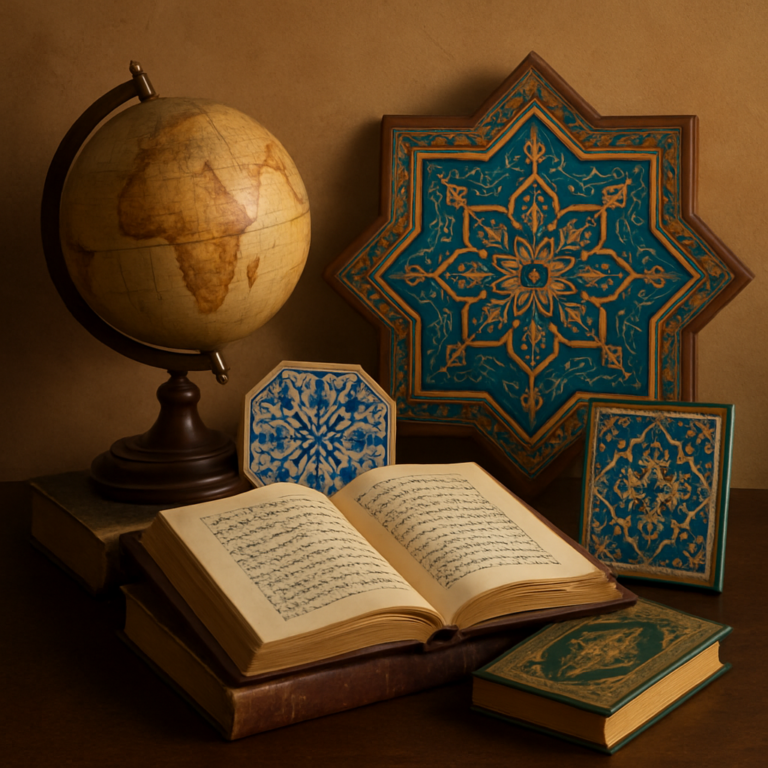 Navigating the Path of Knowledge and Mercy in Islam
Understanding Islamic Teachings in a Modern Context In our ever-evolving world, the teachings of Islam offer profound insights…
Navigating the Path of Knowledge and Mercy in Islam
Understanding Islamic Teachings in a Modern Context In our ever-evolving world, the teachings of Islam offer profound insights…
 Embracing Islamic Teachings: A Journey of Knowledge and Mercy
Introduction: Navigating Through Islamic Teachings In our contemporary world, the teachings of Islam offer a profound framework for…
Embracing Islamic Teachings: A Journey of Knowledge and Mercy
Introduction: Navigating Through Islamic Teachings In our contemporary world, the teachings of Islam offer a profound framework for…
 Embracing Islamic Teachings in a Modern Context
Understanding Islamic Teachings in Today’s World In our rapidly changing world, the teachings of Islam provide a deep…
Embracing Islamic Teachings in a Modern Context
Understanding Islamic Teachings in Today’s World In our rapidly changing world, the teachings of Islam provide a deep…
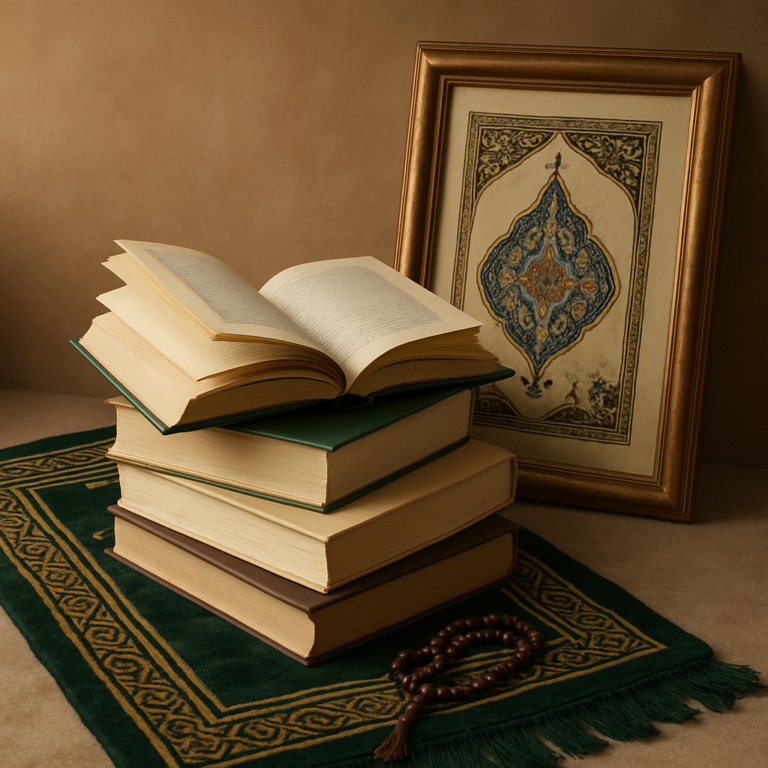 Embracing Islamic Teachings: A Journey of Knowledge and Mercy
Introduction In the beautiful tapestry of Islam, we find a rich tradition that emphasizes knowledge, worship, mercy, and…
Embracing Islamic Teachings: A Journey of Knowledge and Mercy
Introduction In the beautiful tapestry of Islam, we find a rich tradition that emphasizes knowledge, worship, mercy, and…
 Embracing Islamic Teachings: A Journey of Knowledge and Community
Introduction to Islamic Teachings In the vast and rich tapestry of Islamic teachings, we find a profound emphasis…
Embracing Islamic Teachings: A Journey of Knowledge and Community
Introduction to Islamic Teachings In the vast and rich tapestry of Islamic teachings, we find a profound emphasis…
 Embracing Islamic Teachings: A Journey of Knowledge and Mercy
Introduction In the rich tapestry of Islamic tradition, the teachings of the Qur’an and the Ahl al-Bayt provide…
Embracing Islamic Teachings: A Journey of Knowledge and Mercy
Introduction In the rich tapestry of Islamic tradition, the teachings of the Qur’an and the Ahl al-Bayt provide…