
Embracing Knowledge and Mercy in Islamic Teachings
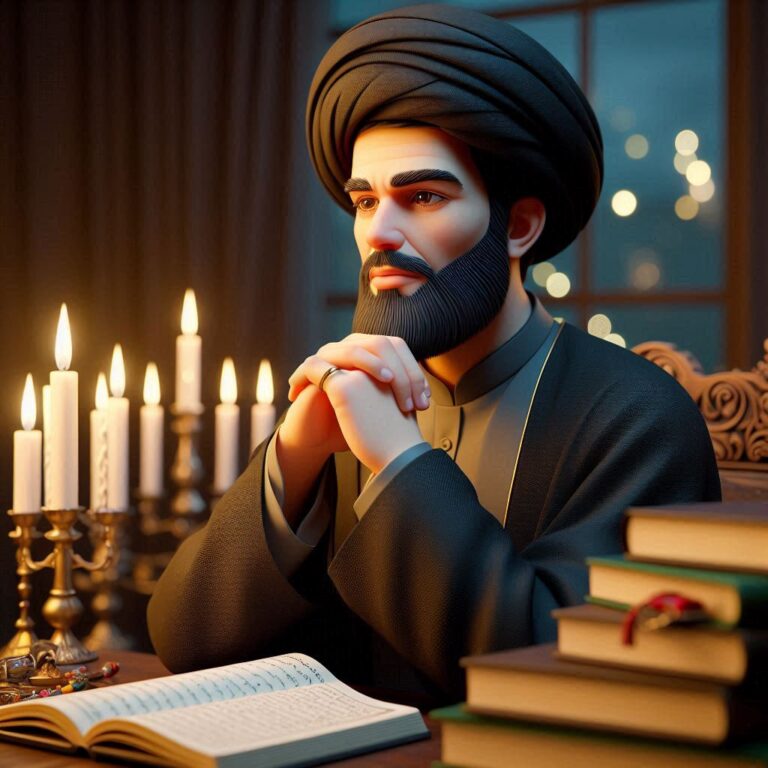 Shia Scholar
Offers guidance rooted in Shia interpretations of Islamic law, theology, and devotion to the prophetic family.
Shia Scholar
Offers guidance rooted in Shia interpretations of Islamic law, theology, and devotion to the prophetic family.
Introduction
The teachings of Islam, rooted in the Qur’an and the noble traditions of the Ahl al-Bayt, offer profound insights into various aspects of life, including knowledge, worship, character, and community. As a Shia scholar, I am honored to reflect on these teachings and their relevance to our daily lives. In this article, we will explore how Islamic teachings promote justice, mercy, and respect for one another, while also emphasizing the importance of seeking knowledge and fostering a strong sense of community.
The Pursuit of Knowledge
Knowledge holds a revered position in Islam. The Qur’an encourages believers to seek knowledge as a means of understanding the world and their place within it. The famous hadith of the Prophet Muhammad (peace be upon him) states, “Seeking knowledge is an obligation upon every Muslim.” This call to knowledge is not limited to religious studies; it encompasses all fields of learning that contribute to the betterment of humanity.
Reflective Questions on Knowledge
- How can I incorporate the pursuit of knowledge into my daily life?
- What are the subjects or areas of study that resonate with my spiritual and personal growth?
- How can I share the knowledge I gain with others in my community?
The Essence of Worship
Worship in Islam transcends ritual practices; it is a holistic approach to living a life that aligns with divine guidance. The acts of worship, such as prayer, fasting, and charity, serve as means to cultivate a deeper relationship with Allah (God). The Qur’an emphasizes that true worship is characterized by sincerity and devotion, as demonstrated in the verse: “And I did not create the jinn and mankind except to worship Me.” (Qur’an 51:56)
Worship as a Path to Mercy
Worship is also an avenue through which we experience and extend mercy. The act of prayer, for instance, not only connects us to the divine but also reminds us of our responsibilities towards others. The Prophet’s family has beautifully articulated the importance of mercy in our worship. Imam Ali (peace be upon him) stated, “The best of people is one who brings peace and mercy to others.” This perspective encourages us to embody mercy in our interactions and to seek forgiveness, both from Allah and from those we may have wronged.
Reflective Questions on Worship
- In what ways can I deepen my worship to enhance my spirituality?
- How can I ensure that my acts of worship are sincere and meaningful?
- What impact does my worship have on my character and relationships with others?
Character and Morality
Islam places significant emphasis on the development of good character. The teachings of the Ahl al-Bayt guide us in embodying virtues such as honesty, integrity, patience, and humility. The Prophet Muhammad (peace be upon him) is described as a “walking Qur’an,” exemplifying the moral principles found in divine revelation. As followers of this beautiful tradition, we are encouraged to cultivate these virtues in our lives.
Justice and Moral Clarity
Justice is a fundamental principle in Islam, and it is intricately linked to our moral responsibilities. The Qur’an commands us to stand firmly for justice, even if it is against ourselves or our kin. This moral clarity guides us in our interactions and decisions, urging us to prioritize fairness and equity in all aspects of life. Imam Ali (peace be upon him) is a paragon of justice, often reminding us that true leadership is rooted in serving others and advocating for their rights.
Reflective Questions on Character
- How can I cultivate virtues that align with Islamic teachings in my daily life?
- What steps can I take to promote justice in my community?
- In what ways can I hold myself accountable for my actions and decisions?
Building Community and Fostering Respect
The sense of community is central to Islamic teachings. The Qur’an and hadith emphasize the importance of unity, cooperation, and mutual support among believers. In a world increasingly marked by division, Islam calls us to embrace our differences and work towards common goals. The concept of Ummah transcends ethnic, cultural, and geographical boundaries, reminding us that we are all part of a larger family.
Respecting Differences
In our diverse communities, it is crucial to approach differences with respect and understanding. The teachings of the Ahl al-Bayt encourage us to engage with one another positively, recognizing that differing perspectives can enrich our understanding of faith and life. This respect for diversity is not merely a passive acceptance; it requires active listening, dialogue, and a willingness to learn from one another.
Reflective Questions on Community
- How can I contribute to fostering a sense of community among believers?
- What actions can I take to promote dialogue and understanding within my community?
- In what ways can I support those who are marginalized or in need?
Mercy and Compassion in Action
Mercy is a cornerstone of Islamic ethics, guiding our interactions with others. The Qur’an repeatedly emphasizes Allah’s attributes of mercy and compassion, urging us to embody these qualities in our lives. The Prophet Muhammad (peace be upon him) is often referred to as a “Mercy to the worlds,” illustrating how his life was dedicated to alleviating suffering and promoting kindness.
Practicing Mercy in Daily Life
To practice mercy, we must cultivate empathy and compassion in our hearts. This can manifest in various ways, such as offering support to those in distress, forgiving those who have wronged us, and advocating for social justice. As Imam Zain al-Abidin (peace be upon him) taught, “The most beloved of people to Allah is the one who is most beneficial to others.” This principle encourages us to seek opportunities to serve and uplift those around us.
Reflective Questions on Mercy
- How can I incorporate acts of mercy into my daily routine?
- In what ways can I be a source of support for others in my community?
- How can I practice forgiveness and compassion, even in challenging situations?
Conclusion
In conclusion, the teachings of Islam, as articulated through the Qur’an and the wisdom of the Ahl al-Bayt, offer a comprehensive framework for living a life grounded in knowledge, worship, mercy, and community. As we navigate the complexities of modern life, let us strive to embody these principles, fostering a spirit of justice, compassion, and understanding among ourselves and others. By doing so, we not only fulfill our religious obligations but also contribute to a more harmonious and just society. May Allah guide us on this noble path.
Continue with Shia Scholar
 Embracing Islamic Teachings: A Journey of Knowledge and Mercy
Introduction In the rich tapestry of Islamic tradition, the teachings of the Qur’an and the Ahl al-Bayt provide…
Embracing Islamic Teachings: A Journey of Knowledge and Mercy
Introduction In the rich tapestry of Islamic tradition, the teachings of the Qur’an and the Ahl al-Bayt provide…
 Embracing Islamic Teachings: A Path to Knowledge and Mercy
Introduction In the rich tapestry of Islamic tradition, we find a profound emphasis on knowledge, worship, and character.…
Nurturing Faith: The Pillars of Islamic Knowledge and Community
Introduction In our journey through life, we consistently seek guidance, wisdom, and understanding. The teachings of Islam offer…
Embracing Islamic Teachings: A Path to Knowledge and Mercy
Introduction In the rich tapestry of Islamic tradition, we find a profound emphasis on knowledge, worship, and character.…
Nurturing Faith: The Pillars of Islamic Knowledge and Community
Introduction In our journey through life, we consistently seek guidance, wisdom, and understanding. The teachings of Islam offer…
 Embracing Islamic Teachings: A Journey of Knowledge and Mercy
Introduction In the beautiful tapestry of Islam, we find a rich tradition that emphasizes knowledge, worship, mercy, and…
Embracing Islamic Teachings: A Journey of Knowledge and Mercy
Introduction In the beautiful tapestry of Islam, we find a rich tradition that emphasizes knowledge, worship, mercy, and…
 Embracing Islamic Teachings: A Journey of Knowledge and Community
Introduction to Islamic Teachings In the vast and rich tapestry of Islamic teachings, we find a profound emphasis…
Embracing Islamic Teachings: A Journey of Knowledge and Community
Introduction to Islamic Teachings In the vast and rich tapestry of Islamic teachings, we find a profound emphasis…
 Embracing Knowledge: A Journey Through Islamic Teachings
Introduction: The Light of Knowledge As we gather in this moment of reflection, I invite you to embark…
Embracing Knowledge: A Journey Through Islamic Teachings
Introduction: The Light of Knowledge As we gather in this moment of reflection, I invite you to embark…