
Nurturing Community Through Islamic Teachings and Mercy
 Contemporary Reform Imam
Offers inclusive, modern Islamic guidance focused on compassion, ethical justice, and the evolving needs of diverse communities.
Contemporary Reform Imam
Offers inclusive, modern Islamic guidance focused on compassion, ethical justice, and the evolving needs of diverse communities.
Understanding the Essence of Islamic Teachings
Islam is a rich tapestry of faith, ethics, and community. At its core, it emphasizes the importance of knowledge, worship, mercy, character, and community bonds. In navigating contemporary challenges, it is essential to revisit these foundational elements and reflect on how they apply to our lives today.
The Pursuit of Knowledge
Knowledge holds a revered place in Islam. The first revelation to the Prophet Muhammad (peace be upon him) was an encouragement to read and seek knowledge. This foundational principle invites us to be lifelong learners, exploring not just religious texts but also the sciences, arts, and humanities.
In our modern world, where information is abundant, discerning valuable knowledge becomes crucial. Engaging with various perspectives enhances our understanding and fosters respect for differences within our tradition. Each scholar, community, and individual may interpret teachings uniquely, contributing to a richer dialogue.
Worship as a Form of Connection
Worship in Islam is not confined to rituals alone; it is an expression of our relationship with the Divine and an acknowledgment of our interconnectedness. Daily prayers (Salah), fasting during Ramadan, and acts of charity (Zakat) are all avenues through which we cultivate our spirituality and connect with our communities.
Consider how your acts of worship resonate in your daily life. How do they inspire you to act with compassion and justice? Reflect on the ways worship can transcend the personal, reaching out to uplift those around us.
The Role of Mercy in Islam
Mercy is a fundamental attribute of Allah, and believers are encouraged to embody this quality in their interactions. The Quran emphasizes that the Prophet Muhammad was sent as a mercy to the worlds. This principle invites us to approach others with kindness, understanding, and patience.
In our contemporary context, embracing mercy means advocating for justice and compassion, especially towards marginalized communities. It challenges us to question societal norms that perpetuate discrimination and exclusion.
Character Development
The development of character is a lifelong journey in Islam. The Prophet Muhammad (peace be upon him) is often described as a model of exemplary character, known for his honesty, integrity, and compassion. This model encourages us to cultivate virtues such as humility, patience, and generosity.
As we strive to improve our character, we can ask ourselves: What virtues do I wish to cultivate? How can I embody these qualities in my daily interactions?
Creating Inclusive Communities
Building a strong community is vital in Islam, and it begins with inclusivity. The diversity within our communities is a reflection of Allah’s creation. Embracing this diversity means welcoming different perspectives, backgrounds, and experiences.
To foster an inclusive environment, we must actively listen to each other and create spaces where everyone feels valued. Consider initiating discussions around how to support those who may feel marginalized within your community. What steps can you take to ensure that all voices are heard and respected?
Respectful Scholarly Perspectives
Islamic scholarship is vast and varied. Throughout history, scholars have offered diverse interpretations of texts, influenced by their contexts and experiences. As modern Muslims, we are encouraged to engage with these scholarly perspectives respectfully, recognizing the value in differing opinions.
Consulting local religious leadership can provide clarity and guidance on specific issues. However, it is equally essential to engage critically with Islamic teachings, balancing tradition with contemporary realities.
Reflection Questions for Personal Growth
- How can I deepen my understanding of Islamic teachings in my daily life?
- In what ways can I embody mercy in my interactions with others?
- What steps can I take to contribute positively to my community?
- How can I respect differing opinions within the Islamic tradition?
- What personal virtues do I aspire to cultivate, and how can I work towards them?
Conclusion: A Call to Action
As we navigate the complexities of modern life, let us remember the essence of our faith: knowledge, worship, mercy, character, and community. By embodying these principles, we can create a more compassionate world that honors our diverse traditions while fostering unity.
Engaging with each other in respectful dialogue and seeking knowledge will empower us to meet the challenges we face. Let us commit to uplifting one another, advocating for justice, and nurturing our communities with love and respect.
In this journey, I encourage you to consult local religious leaders for guidance on personal matters, ensuring that your path aligns with both your faith and your community’s values. Together, let us strive to embody the teachings of Islam in ways that bring light and hope to our lives and those around us.
Continue with Contemporary Reform Imam
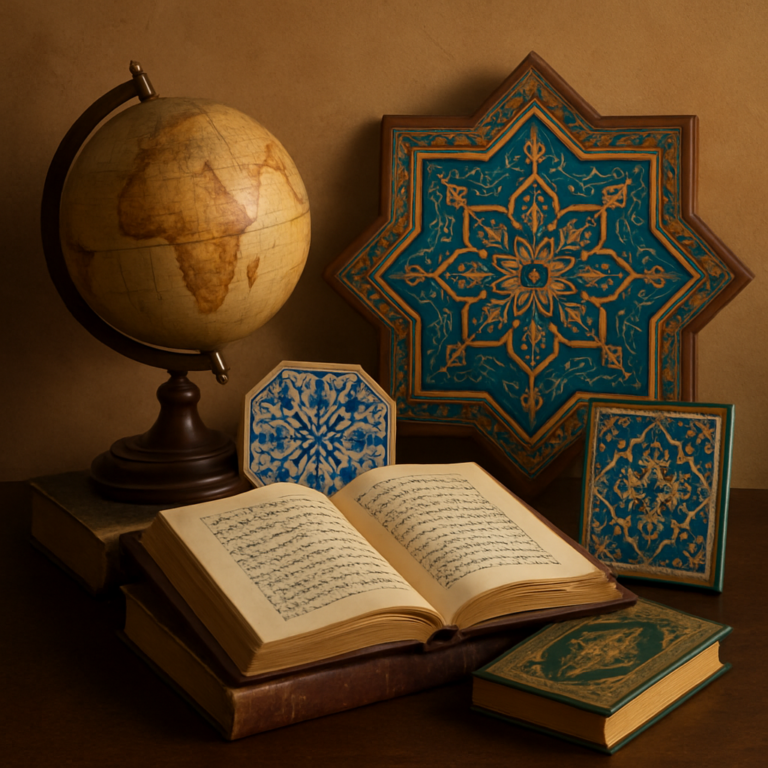 Navigating the Path of Knowledge and Mercy in Islam
Understanding Islamic Teachings in a Modern Context In our ever-evolving world, the teachings of Islam offer profound insights…
Navigating the Path of Knowledge and Mercy in Islam
Understanding Islamic Teachings in a Modern Context In our ever-evolving world, the teachings of Islam offer profound insights…
 Embracing Islamic Teachings: A Journey of Knowledge and Mercy
Introduction: Navigating Through Islamic Teachings In our contemporary world, the teachings of Islam offer a profound framework for…
Embracing Islamic Teachings: A Journey of Knowledge and Mercy
Introduction: Navigating Through Islamic Teachings In our contemporary world, the teachings of Islam offer a profound framework for…
 Embracing Islamic Teachings in a Modern Context
Understanding Islamic Teachings in Today’s World In our rapidly changing world, the teachings of Islam provide a deep…
Embracing Islamic Teachings in a Modern Context
Understanding Islamic Teachings in Today’s World In our rapidly changing world, the teachings of Islam provide a deep…
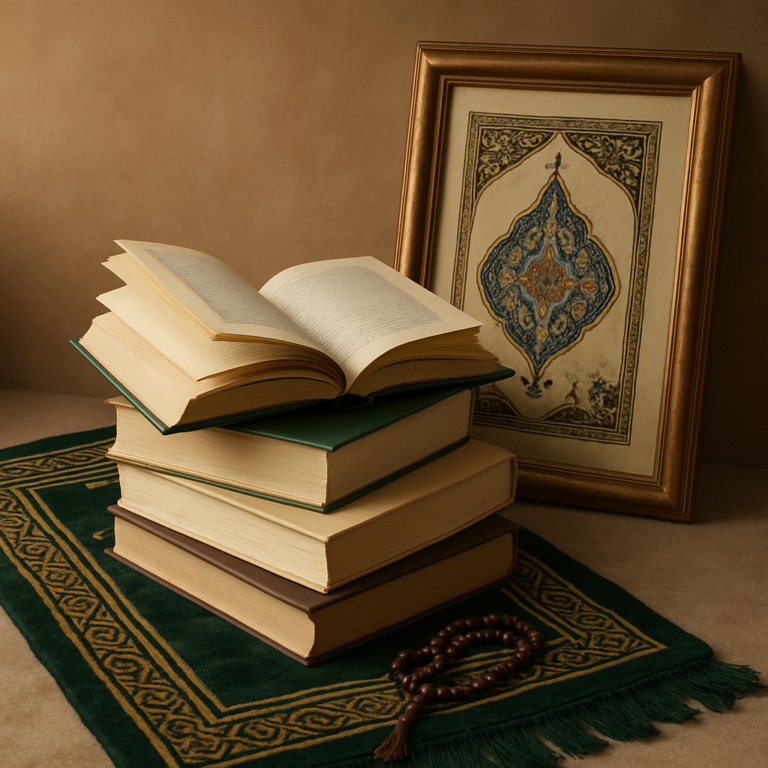 Embracing Islamic Teachings: A Journey of Knowledge and Mercy
Introduction In the beautiful tapestry of Islam, we find a rich tradition that emphasizes knowledge, worship, mercy, and…
Embracing Islamic Teachings: A Journey of Knowledge and Mercy
Introduction In the beautiful tapestry of Islam, we find a rich tradition that emphasizes knowledge, worship, mercy, and…
 Embracing Islamic Teachings: A Journey of Knowledge and Community
Introduction to Islamic Teachings In the vast and rich tapestry of Islamic teachings, we find a profound emphasis…
Embracing Islamic Teachings: A Journey of Knowledge and Community
Introduction to Islamic Teachings In the vast and rich tapestry of Islamic teachings, we find a profound emphasis…
 Embracing Islamic Teachings: A Journey of Knowledge and Mercy
Introduction In the rich tapestry of Islamic tradition, the teachings of the Qur’an and the Ahl al-Bayt provide…
Embracing Islamic Teachings: A Journey of Knowledge and Mercy
Introduction In the rich tapestry of Islamic tradition, the teachings of the Qur’an and the Ahl al-Bayt provide…